
You know the feeling.
You pull up to a Bucks County stone farmhouse or a classic early-1900s colonial, and the place just hits you. Thick walls. Wavy glass. Deep window sills. A house with a story.
And then the other feeling shows up.
“What am I not seeing?”
Older homes in Bucks County can be incredible long-term investments: and also master-level puzzle boxes. The charm is real. The hidden costs can be real too.
Below are 10 things you should know before you fall in love, plus exactly how to protect yourself with the right inspection strategy.

1) Old doesn’t mean “bad”: it means “layered”
Most older properties around Bucks County have been improved in phases.
Not once. Not twice. Sometimes five, six, or ten times.
That means you can have a 100-year-old structure with a 1990s kitchen, a 2008 roof, a 1970s panel upgrade, and a “DIY special” bathroom remodel from… last Tuesday.
Your goal isn’t to find a perfect old house.
Your goal is to understand the layers so you can plan, budget, and negotiate with confidence.
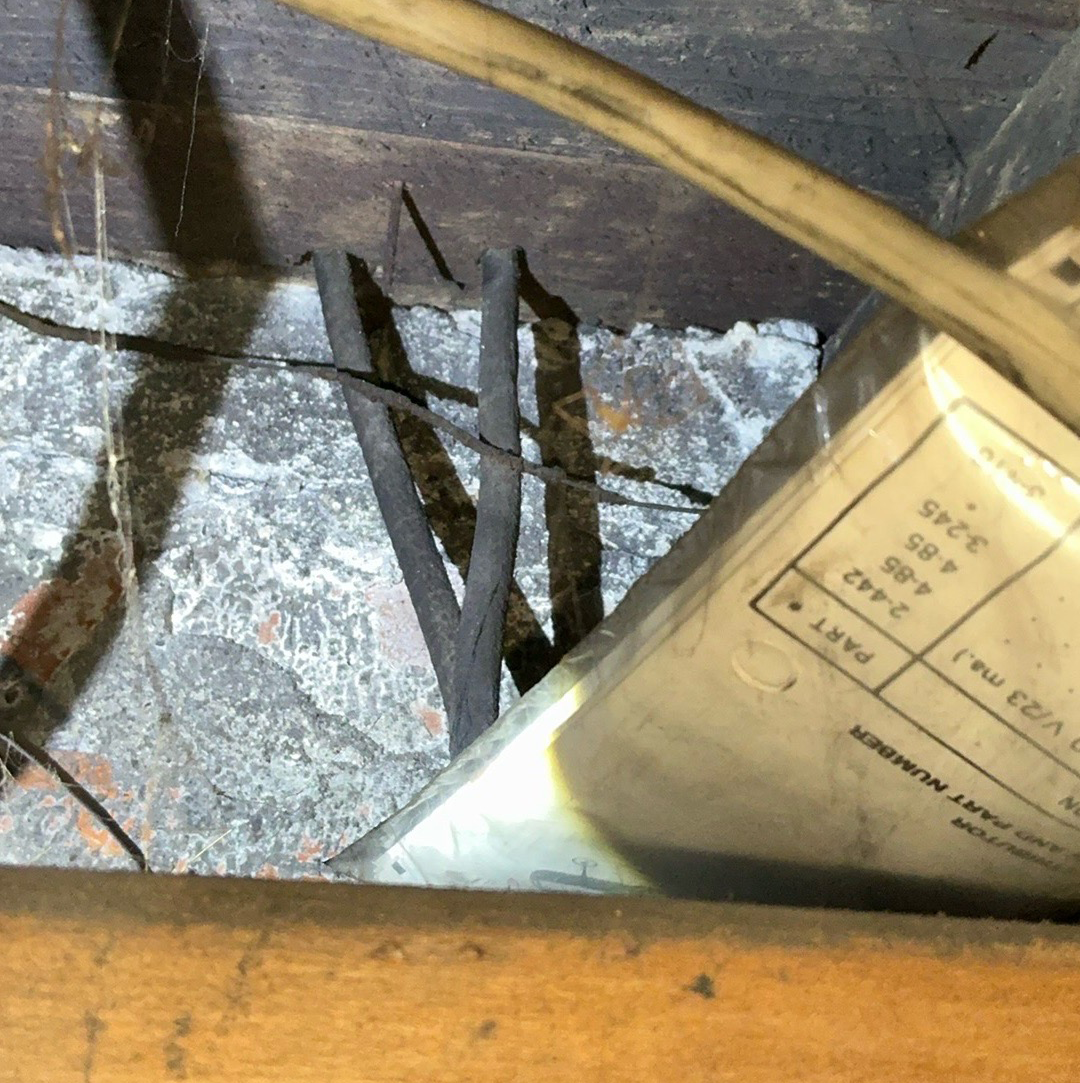
2) Knob-and-tube wiring is a deal factor, not always a deal breaker
If the home was built before the 1950s, you have to assume the electrical system may include older components: especially knob-and-tube wiring.
Here’s plain English on why it matters:
- Knob-and-tube often has no equipment grounding, which impacts safety and modern appliance use.
- It may have been modified incorrectly over the decades (the riskiest part).
- It can complicate insurance and renovation plans, even if it’s currently “working.”
What you want from your inspection is not vague fear.
You want clear documentation: where it’s visible, signs of unsafe modifications, and what upgrades might look like for your specific house.
If you’re trying to choose an inspector who won’t gloss over this stuff, start here:
Home inspectors: don’t compromise on quality over price
3) Old plumbing can quietly drain your budget (galvanized + cast iron)
In older Bucks County homes, two materials come up again and again:
- Galvanized supply piping (can restrict flow as it corrodes internally)
- Cast iron drain lines (can corrode, crack, and eventually fail)
This is the “hidden story” plumbing tells: it can look fine at the fixtures, while the real problems live in basements, crawlspaces, and buried runs.
Here’s what you should push to understand during an inspection:
- Any visible active leaks or corrosion
- Evidence of past patching (multiple repairs = a pattern)
- Whether the system appears partially upgraded (mixed materials can be normal, but you need the map)
Plumbing issues aren’t just repair costs.
They’re also negotiation leverage, because sellers understand plumbing failures can get expensive fast.
4) Historic stone foundations are strong: until water changes the rules
Bucks County has plenty of beautiful older homes with stone foundations.
The stone isn’t automatically the problem. The mortar, drainage, and water management are usually the story.
What we look for (and what you should care about):
- Bulging walls or significant movement
- Deteriorated mortar (especially chronic moisture zones)
- Signs of recurring water entry: staining, efflorescence (white deposits), damaged finishes
- Downspouts that dump water right at the foundation (common, fixable, but serious)
If a stone foundation has been “finished over,” you want extra caution. Fresh paint can hide a lot.
Your best outcome is clarity: what’s cosmetic, what’s structural, and what’s a drainage investment.
5) Old houses love to “tell on themselves” in the basement
In Bucks County, the basement often holds the truth.
That’s where you’ll see:
- Long-term moisture patterns
- Structural movement over time
- Past repairs (good and bad)
- HVAC, plumbing, and electrical in one place: meaning the whole house’s “mechanical story” is visible
When you walk a basement yourself during a showing, don’t just look for height and storage.
Look for patterns:
- Is staining isolated, or continuous along a wall line?
- Are there dehumidifiers everywhere (and are they actively running)?
- Any musty odor, even if it’s “faint”? That counts.
6) Radon is common enough that skipping the test is gambling
Radon isn’t about whether the home “smells fine” or looks clean.
Radon is a naturally occurring gas, and the only way to know your risk is to test.
In this region, radon testing is one of the smartest add-ons you can choose because:
- You get objective, measurable results
- Mitigation is often straightforward compared to other big-ticket repairs
- The data helps you negotiate (or at least plan) with zero guessing
If you want a protective advocate in your corner, this is one of those moments where “I’ll do it later” can backfire.
7) Termites aren’t just a “wood house” problem
Bucks County buyers sometimes assume termites are mostly a concern for newer framed homes.
Not true.
Termites care about wood + moisture + access.
Older homes often have exactly what they want:
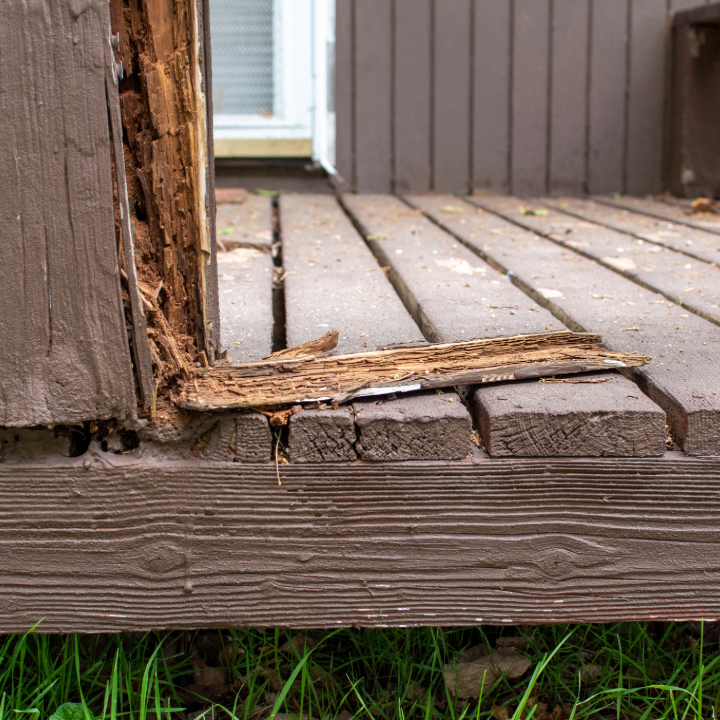
- Older porches and deck framing
- Sill plates and rim joists near grade
- Chronic damp basements or crawlspaces
- Hidden wood-to-soil contact from old landscaping or additions
Termite damage is the definition of a hidden story: because by the time it’s obvious, it’s usually been active for a while.
If you want a deeper dive into why this matters locally, here’s ValueGuard’s take:
First termites of 2026 spotted in Philadelphia: why every Philly homeowner needs a termite inspection now
8) Insulation + ventilation upgrades can be amazing: when they’re done right
Older homes weren’t built for modern comfort expectations.
That doesn’t mean they can’t become comfortable. It means the path matters.
Common issues we see:
- Under-insulated attics (or insulation installed without proper air sealing)
- Bathroom fans that vent into the attic (moisture = mold risk)
- “Tightening” a home without balancing ventilation (comfort improves, air quality can worsen)
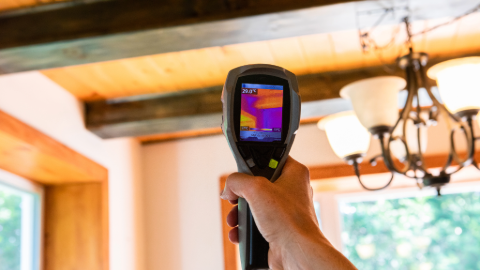
A good inspection translates all of that into plain English:
- What you have now
- What’s missing
- What upgrade path makes sense for your specific home
This is how you future-proof an older home without creating new problems.
9) Old HVAC isn’t just age: it’s sizing, distribution, and maintenance history
When people hear “older HVAC,” they usually think: replacement cost.
Sometimes yes. But with older homes, there’s more going on:
- Systems may be improperly sized after additions/renovations
- Ductwork may be undersized, leaky, or creatively routed
- Old hydronic systems (boilers/radiators) can be excellent: if maintained and safely vented
During your inspection, you want specifics:
- Approximate age and visible condition
- Safety concerns (combustion venting, clearances, corrosion)
- Distribution issues that predict comfort problems later
This turns “surprises” into a plan.
10) Photo-rich reports aren’t a nice-to-have: they’re how you make decisions
With older properties, you’re not just buying a house.
You’re buying a system of systems, with decades of upgrades and repairs.
That’s why documentation matters so much.
At ValueGuard, you get a photo-rich, actionable report designed to make complex systems understandable: so you can:
- Decide what’s urgent vs. optional
- Ask for the right credits or repairs
- Budget with your eyes open
- Move in with confidence instead of crossing your fingers
This is also where local experience stops being a buzzword and starts being protection.
ValueGuard has 25+ years of experience in the Greater Philadelphia area, and we’ve inspected the kinds of older Bucks County homes where small details (a splice, a drain line, a foundation patch) change the whole financial picture.
If you want a good “mindset check” on what a great inspector actually does for you, read this:
The right home inspector isn’t a checkbox: it’s your secret superpower for owning the home of your dreams
Your must-ask questions before you hire an inspector for an older Bucks County home
Use these. Screenshot them. Bring them to the phone call.
- Have you inspected older stone homes in Bucks County specifically?
- How do you document older electrical concerns like knob-and-tube: photos, locations, safety implications?
- Do you recommend radon and termite inspections for this property type and area? Why?
- How many photos do you typically deliver in a report, and how fast do you deliver it?
- Will you explain findings in plain English and help me prioritize what matters most before closing?
Bottom line: you’re not buying “old.” You’re buying “story.”
Older Bucks County homes can give you something new builds can’t.
Character. Craftsmanship. Land. Layouts that feel human.
But you deserve to buy that story with clarity, not confusion.
If you want to move forward with confidence: and get a photo-rich report that makes an older home’s systems easy to understand: ValueGuard is here to help.
Explore our Home Inspections 101 library or schedule your inspection through our site:
https://valueguardinspections.com/home-inspections-101/