|
Quick Answer Yes — winter is one of the best times to test your home for radon. With windows and doors shut for the season, your house is already in the “closed-house conditions” a valid radon test requires. Heating also pulls more soil gas into the lowest level, so a winter result shows you close to the worst-case exposure your family actually breathes.
|
When the heat comes on and the storm windows go down, most homeowners stop thinking about the outdoors until spring. That’s exactly why we recommend winter radon testing to clients across Philadelphia and the surrounding counties. The conditions that make a radon test accurate are the same conditions you’re already living in from November through March.
I place and pick up radon monitors in homes all over our service area every week, and the question I hear most is simple: “Does the season matter?” It does. Here’s why winter works in your favor — both for getting a reliable number and for protecting your family’s health.
1Winter Gives You True Closed-House Conditions
Every valid short-term radon test is run under what the EPA and the Pennsylvania DEP call closed-house conditions: windows and exterior doors kept closed (except for normal coming and going) for at least 12 hours before the test starts and for the entire test period. Whole-house fans and window air conditioners that pull in outside air stay off.
In spring and fall, that can be a tough ask. People open windows on nice days, and a single afternoon of fresh air can dilute the reading and produce a result that looks better than reality. In winter, nobody has to change their routine. The house is already sealed up, and the test simply measures how your home performs the way you live in it most of the year.
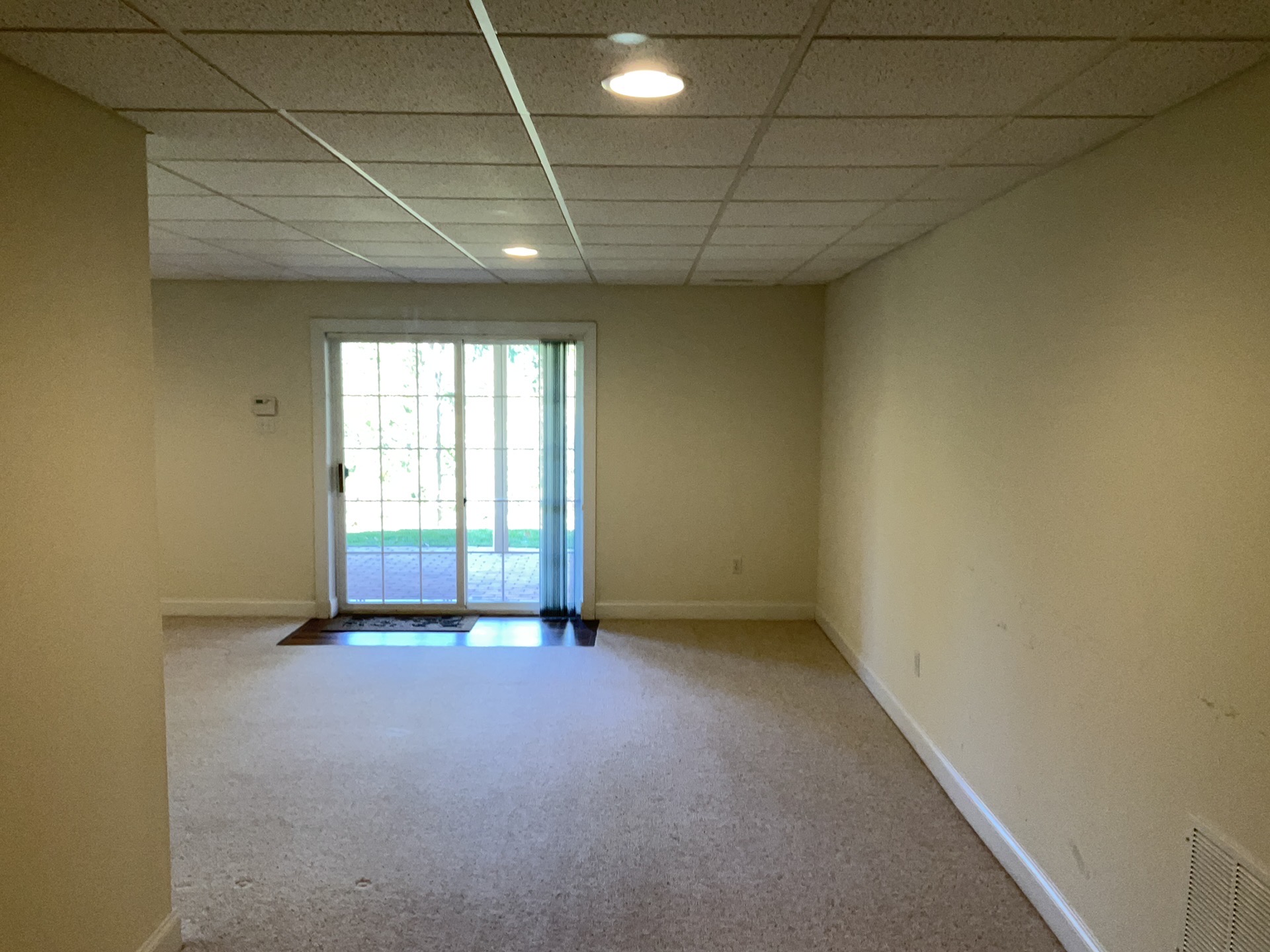
A finished lower level in a Chester County home. Basements like this one are where we place the monitor — the lowest livable level, with doors and windows kept closed for the full test. |
2Heating Season Shows Your Worst-Case Exposure
Radon is a radioactive gas that forms naturally as uranium breaks down in soil and rock. It moves up through the ground and into homes through foundation cracks, floor-wall joints, sump pits, and gaps around pipes.
In winter, a physical process called the stack effect speeds that up. Warm air inside your home rises and escapes through the upper floors and attic. That creates slightly lower pressure at the bottom of the house, which pulls soil gas — including radon — in through the foundation. Frozen or saturated ground can also limit where radon escapes outdoors, pushing more of it toward your basement.
The result: radon levels are often higher during heating season. A winter test gives you a conservative, real-world picture of what you’re breathing during the months your family spends the most time indoors. If your home passes in January, you can feel good about it.
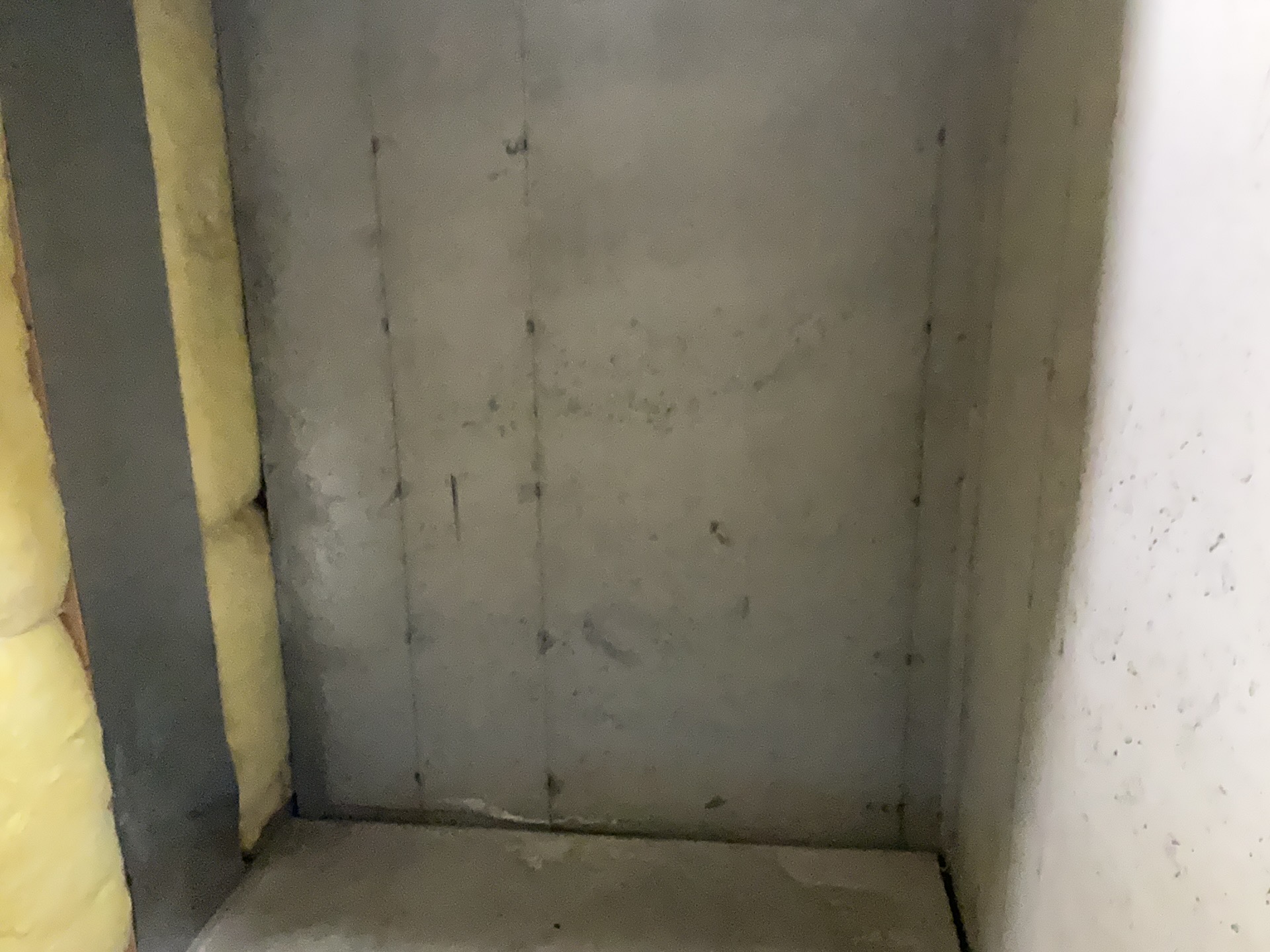
Poured concrete foundation walls and the joint where wall meets slab are common radon entry points. Radon is invisible — you can’t tell by looking whether a basement has a problem. |
3Why It Matters for Your Health
Radon has no color, smell, or taste, and it doesn’t cause symptoms you would notice. The U.S. EPA and the Surgeon General identify it as the second leading cause of lung cancer in the United States, and the leading cause among people who have never smoked. The risk comes from long-term exposure — years of breathing elevated levels at home.
Pennsylvania has some of the highest radon levels in the country. The Pennsylvania DEP has reported that roughly 40 percent of homes in the state test above the EPA action level of 4.0 picocuries per liter (pCi/L). Levels vary house to house, even on the same street, so a neighbor’s result tells you nothing about yours. The only way to know your number is to test your home for radon.
The good news: high radon is very fixable. A professionally installed mitigation system, typically a sealed vent pipe and fan that draws gas from beneath the slab and exhausts it above the roofline, routinely brings levels down well below the action level.
4How a ValueGuard Radon Test Works
Whether you’re buying a home or just want peace of mind about the one you live in, the process is straightforward:
- Placement. We set a continuous radon monitor in the lowest livable level of the home, away from exterior doors, windows, sump pits, and drafts.
- 48+ hours of readings. The monitor logs radon levels hour by hour, so we see how levels rise and fall rather than a single average.
- Pickup and results. We retrieve the monitor and you receive a clear report showing your average radon concentration and how it compares to the 4.0 pCi/L action level.
- Next steps. If the result is elevated, we explain your options so you can make a confident decision — whether that’s negotiating mitigation during a sale or planning a fix for your own home.
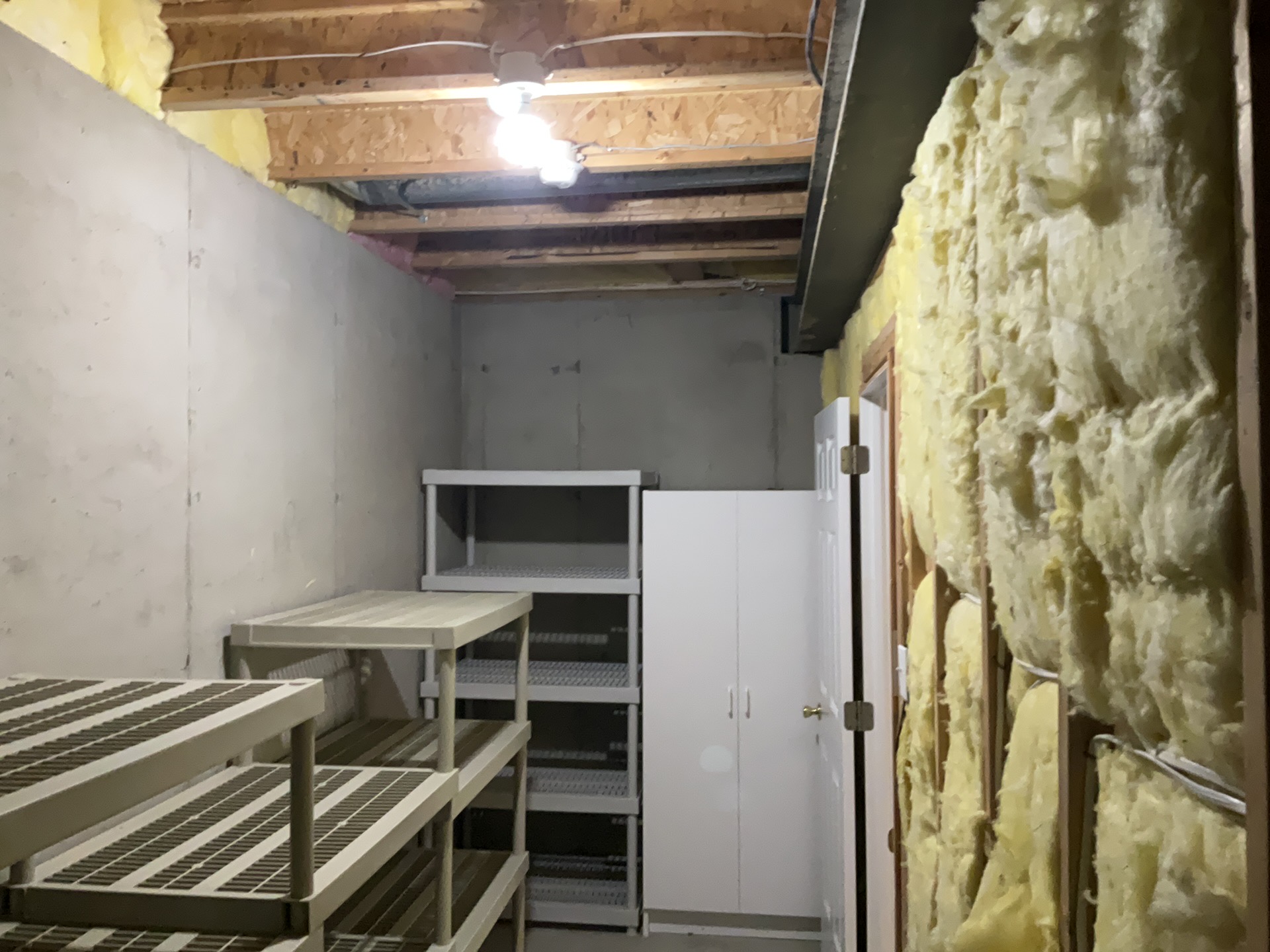
Unfinished basements and storage areas sit directly against the soil. Even when the space isn’t lived in, radon that enters here moves up into the rest of the house. |
|
Before Your Test Your Winter Radon Test Checklist
|
|
Your house is already closed up for the season. Put that to work. Schedule a Radon Test |
Winter Radon Testing FAQ
Is winter really the best time to test for radon?
Winter is one of the best times. Homes are naturally kept closed, which meets the closed-house conditions a valid test requires, and the stack effect from heating tends to draw more radon indoors. That makes a winter result a conservative, real-world measurement of your exposure.
What are closed-house conditions for a radon test?
Windows and exterior doors stay closed, except for normal entry and exit, for at least 12 hours before the test begins and for the full test period. Fans that bring in outside air should be off. Normal heating can run as usual.
How long does a radon test take?
A short-term radon test runs for a minimum of 48 hours. We place the monitor, let it collect readings over at least two days, then retrieve it and deliver your results.
What radon level is considered high?
The EPA recommends fixing a home at or above 4.0 picocuries per liter (pCi/L). The EPA also suggests considering mitigation for levels between 2.0 and 4.0 pCi/L, since there is no known safe level of radon.
Can I test for radon if I’m buying a home in the winter?
Yes. A radon test can be added to your home inspection and typically runs alongside your inspection period. Because the house is already closed up for the season, winter is an ideal time to get a reliable result before closing.
My home has a radon system. Should I still test?
Yes. The EPA recommends retesting homes with a mitigation system every two years, and after any major renovation. Fans can fail and new foundation cracks can form, so a winter retest confirms the system is still doing its job.
|
Test This Winter. Breathe Easier All Year. ValueGuard has been helping families across Southeastern Pennsylvania since 1997, with more than 94,000 inspections completed and a 4.9-star Google rating. Schedule a Radon Test Call 215-860-3150Learn more about our radon testing services or see inspection pricing. |
Enjoying our home inspection guides? Get ValueGuard articles in your Google results:

|
About the Author Manager, Certified Radon Technician Matt is a Manager and Pennsylvania Department of Environmental Protection (PA DEP) Certified Radon Technician at ValueGuard Home Inspections. He handles radon, mold and lead testing, sewer scope inspections and termite (WDI) inspections. He works in homes every week across Philadelphia, Bucks, Chester, Delaware, and Montgomery Counties, and helps buyers and homeowners understand what their radon results mean. Meet Matt → |