|
||||||||||||||||||||
|
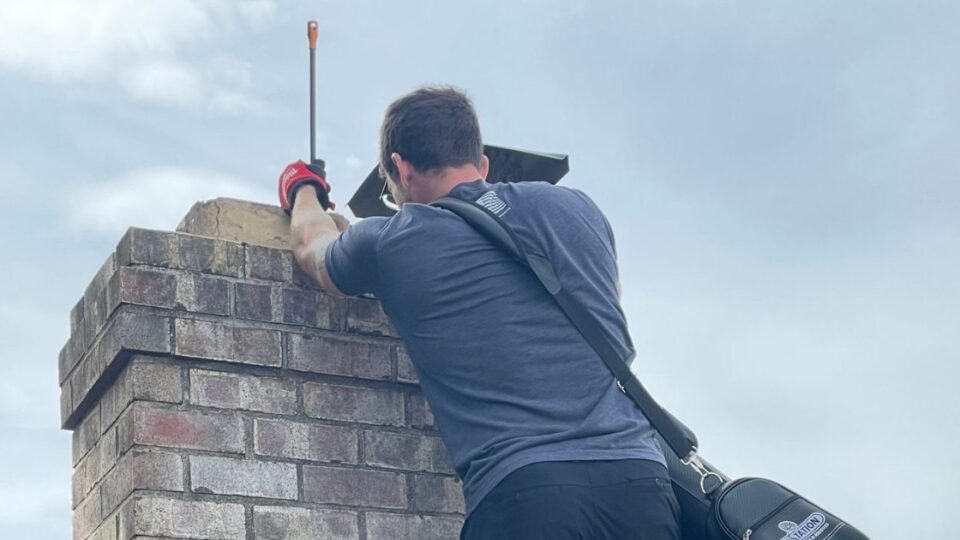
In more than 2,500 home inspections, I’ve looked at a lot of chimneys. I’ve walked roofs to check crowns and flashing, opened dampers, and shined a flashlight up more flues than I can count. And for most of those years, I had to write some version of the same sentence in the report: the interior of the flue could not be fully evaluated. That sentence matters more than most buyers realize. The flue is the part of the chimney that actually keeps fire, heat and exhaust gases away from your house — and it’s the one part a standard home inspection can’t see. That gap is exactly what a Level 2 chimney inspection closes, and it’s why I spent a week this fall at the Chimney Safety Institute of America’s Technology Center in Indiana earning my CSIA certification. Here’s what every buyer of a home with a fireplace, wood stove or masonry chimney in Greater Philadelphia should know before closing. |
||||||||||||||||||||
|
||||||||||||||||||||
1. What your home inspection sees — and what it doesn’tA standard home inspection looks at the visible parts of a chimney: the masonry, the crown and cap from the roof (when it’s safe to get up there), the flashing, the firebox, the damper and whatever part of the flue you can see with a light. That’s valuable, and it’s how many chimney problems first get flagged. But a home inspection is not a Level 1, Level 2 or Level 3 chimney inspection. A typical flue runs 20 to 40 feet through the middle of the house, and from the firebox or the roof you can only see the first few feet of it. Cracked clay tiles, missing mortar between liner sections, or a gap where the liner has shifted can be sitting halfway up — invisible from both ends. If your home inspection report recommends further evaluation of the chimney by a qualified professional, a Level 2 is what that recommendation is pointing you toward. |
||||||||||||||||||||
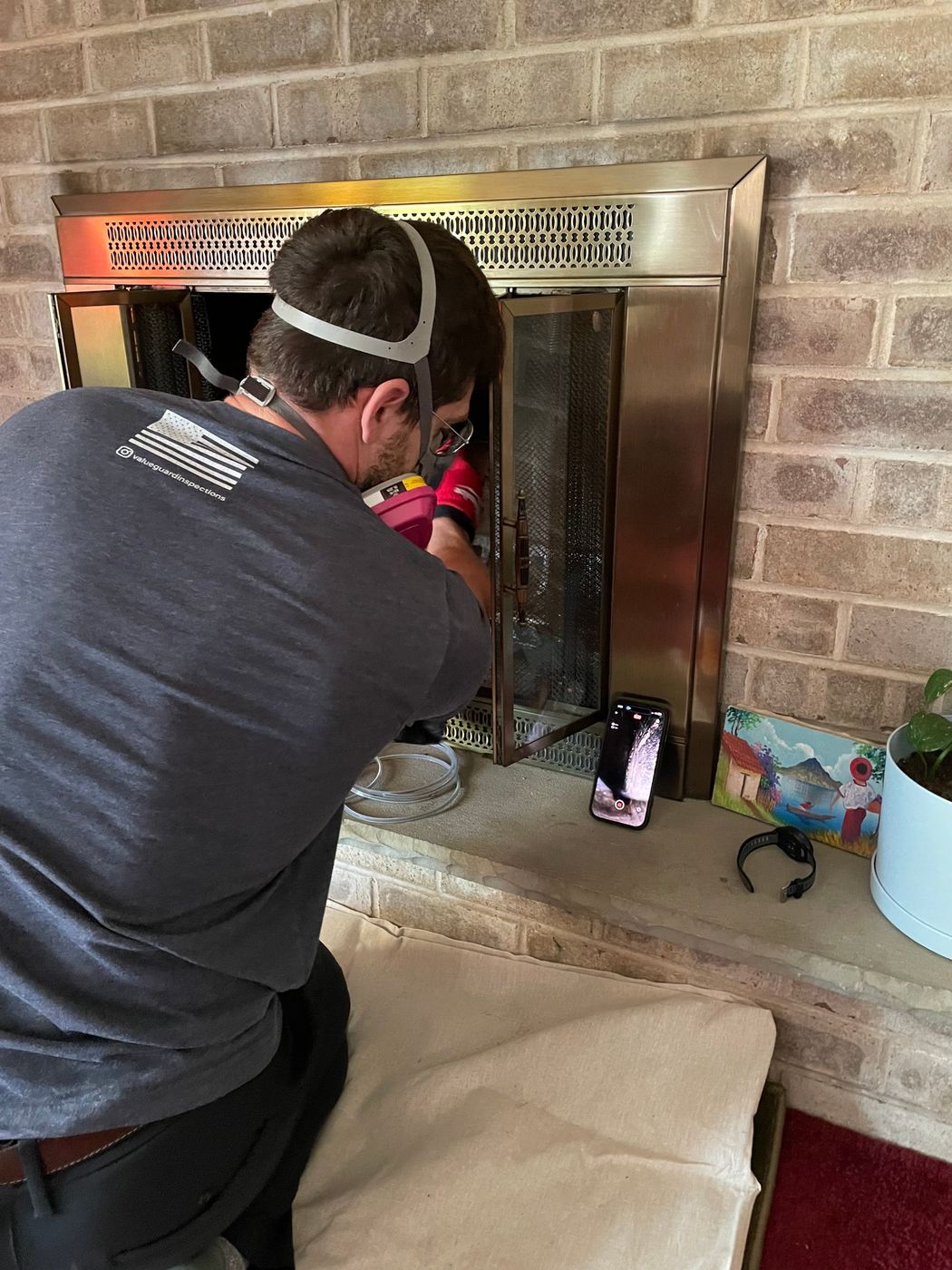
The Level 2 difference: a camera travels the full length of the flue, and the footage goes into your report. |
||||||||||||||||||||
2. Level 1, Level 2, Level 3: what’s the difference?NFPA 211 defines three levels of chimney inspection. Each one builds on the one before it.
For a home purchase, Level 2 is the sweet spot: thorough enough to see the whole flue, without tearing anything open. If the camera turns up something that can only be confirmed by opening the structure, the report says so and recommends a Level 3 by a chimney contractor. |
||||||||||||||||||||
3. What the camera finds in Greater Philadelphia chimneysOur region’s housing stock is old, and so are its chimneys. A rowhome in Philadelphia or a stone colonial on the Main Line may have a chimney that has outlived several owners, several heating systems and decades of freeze-thaw winters. These are the conditions a flue scan is built to catch:
|
||||||||||||||||||||
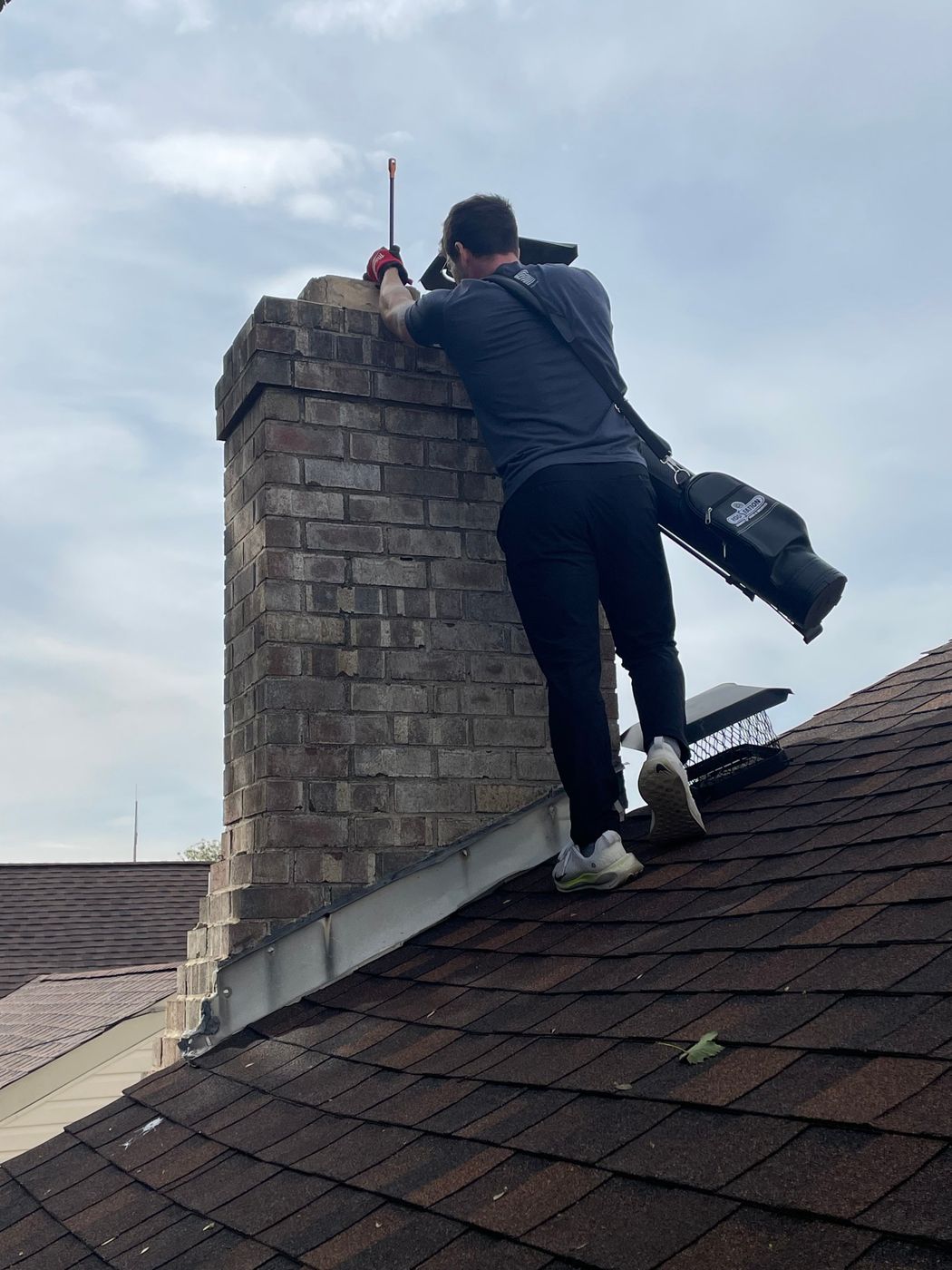
Up top at the crown and cap, scanning the flue from the roof. |
||||||||||||||||||||
4. Why the timing matters when you’re buyingThe best time to learn about a chimney problem is during your inspection contingency — while you still have leverage. Liner repairs, relining and rebuilds are not small jobs, and they can easily run into the thousands of dollars. Discovering that after closing, usually on the first cold night you try to light a fire, is the worst-case version of this story. A Level 2 report gives you photos and flue video, so you, your agent and the seller are all looking at the same evidence. That makes it far easier to negotiate a repair, a credit or a price adjustment than a line in a report that says “further evaluation recommended.” That’s why we built it to fit the contingency timeline: you can book your Level 2 alongside your home inspection, sewer scope and radon test, with one team and one schedule. |
||||||||||||||||||||
|
||||||||||||||||||||
5. What to expect on inspection dayBefore I arrive: please don’t use the fireplace or stove for 24 hours so the system is cool. The chimney doesn’t need to be swept first — I inspect it as it is. If heavy soot or creosote keeps the camera from seeing the liner clearly, the report will say so and recommend a cleaning before a follow-up look. On site: plan on about an hour per chimney. I check the chimney from the cap and crown down to the firebox, damper, smoke chamber and hearth, examine it in the attic and basement, check any stove, furnace or water heater connections, and run the camera through the full length of the flue. Afterward: you and your agent get a clear report with photos and the flue video by the next business day. |
||||||||||||||||||||
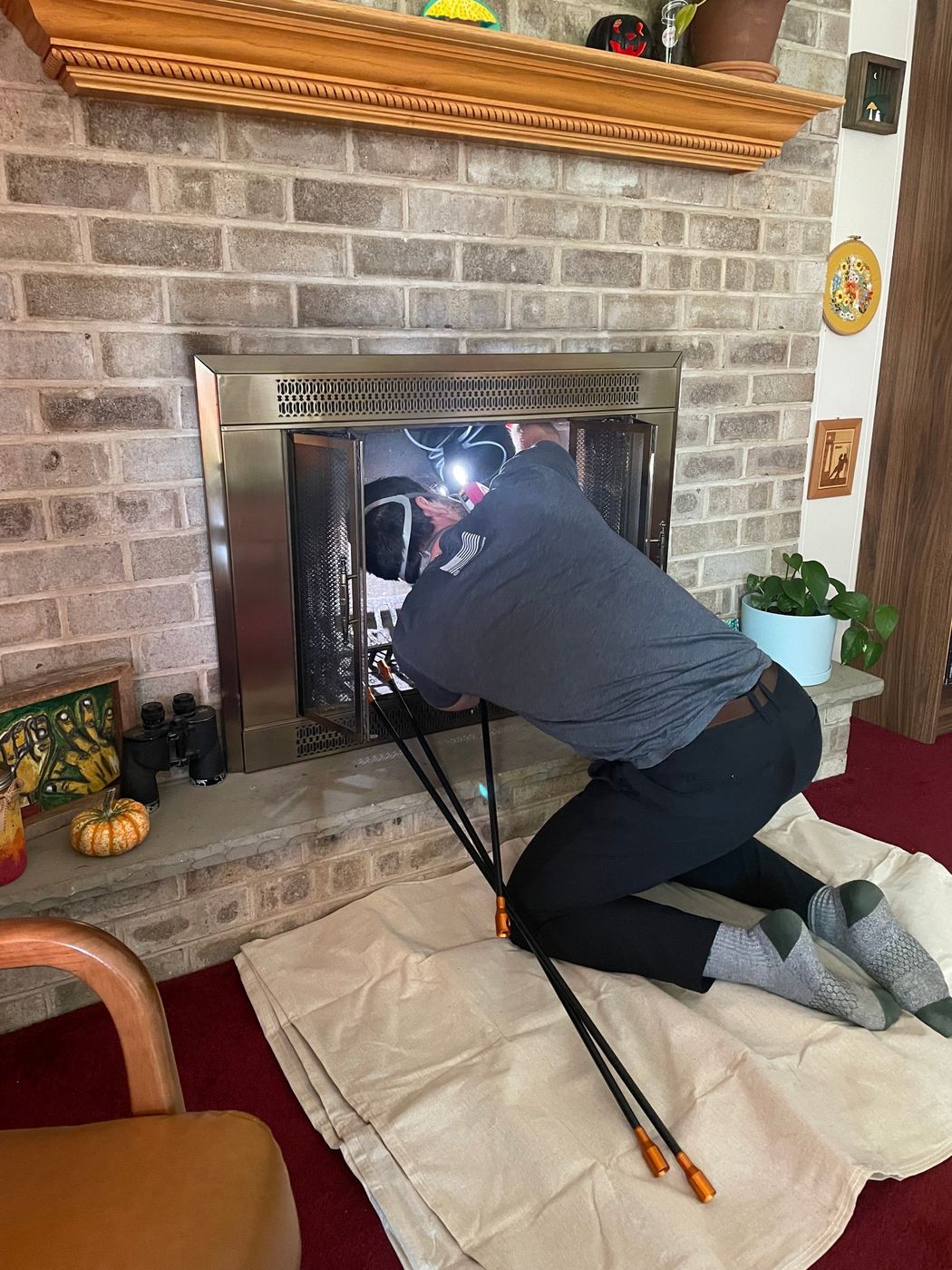
At the firebox and damper, checking the smoke chamber from below. |
||||||||||||||||||||
6. Why it matters who does the inspectingA lot of chimney inspections are performed by companies that also sell sweeping, relining and rebuilds. That doesn’t make them dishonest, but it does create an obvious conflict when the same company that finds the problem is quoting the fix. ValueGuard is an inspection-only company. We don’t sweep, reline or repair chimneys, and we never will. When I find something, the report documents it with photos and video, and you take that to the chimney contractors of your choice for quotes. When I don’t find anything, you can believe that too. The CSIA training also changed how I look at a chimney as part of the whole house. A chimney isn’t a separate system — it’s tied into the heating equipment, the attic framing and the roof. Having the same team inspect all of it means nothing falls between two vendors’ reports. |
||||||||||||||||||||
|
||||||||||||||||||||
Level 2 chimney inspection FAQ
|
||||||||||||||||||||
|
||||||||||||||||||||
|
||||||||||||||||||||
Level 2 Chimney Inspection: What Home Buyers Need to Know Before Closing