The Short Version
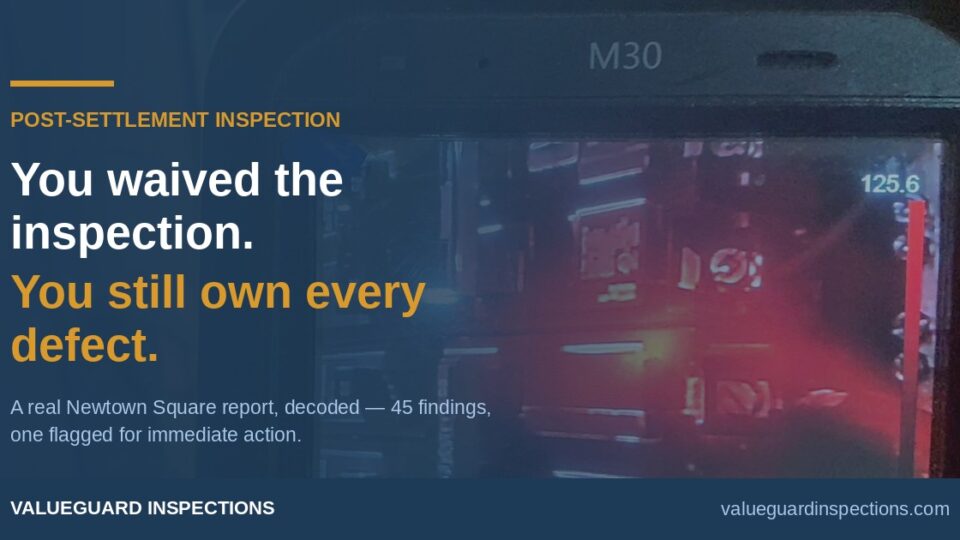
A post-settlement home inspection is a full inspection performed after you already own the home. Buyers order one when they waived the inspection to win a competitive offer. Waiving the contingency removes your leverage, but it does not remove the risk. The defects are still there. A recent ValueGuard post-settlement inspection in Newtown Square documented 45 findings, including one item flagged for immediate action and seven safety concerns. Knowing about them is what turns an unknown into a plan.
You did what you had to do. The listing had eleven offers. Your agent told you the sellers were reading contingencies as reasons to pick someone else. So you waived the inspection, you won the house, and you moved in.
That decision was about winning a negotiation. It was never a statement about the condition of the building. Yet a lot of buyers treat it that way afterward. The inspection got waived, so the subject quietly closes, and the house becomes a thing you live in rather than a system you understand.
Here is the part worth sitting with. Waiving the inspection did not make the wiring safer. It did not reattach a loose flue connector or dry out a crawlspace. Every condition that existed on the day of your walkthrough is still there. The only thing that changed is that nobody has told you about it yet.
That is exactly what a post-settlement inspection is for.
1Waiving the Inspection Delays the Risk. It Doesn’t Remove It.
In a competitive market across Delaware County and the surrounding suburbs, waived contingencies became a normal way to compete. We understand why buyers do it. We also see what happens next.
An inspection contingency does two separate jobs. The first is financial leverage. It gives you a window to renegotiate or walk away. Once you settle, that job is over and it cannot be recovered.
The second job is information. The inspection tells you what you own, what is aging, what is unsafe, and what needs money in the next few years. That job never expires. You can still do it the week after you get the keys. Most buyers simply never think to.
Skipping the information half is the expensive mistake. A safety defect you do not know about is not a smaller problem than one you do. It is a larger one, because nothing is being done about it.
2A Real Example: 45 Findings in a Newtown Square Home
This August, ValueGuard performed a post-settlement inspection on a single-family home in Newtown Square. The house was built in 1970 and runs roughly 3,300 square feet. It presented beautifully. Stone front, mature landscaping, a metal-and-shingle roof estimated at under ten years old, a five-year-old condenser, and a renovation in progress inside.
Nothing about the home looked distressed. That is the point. A well-kept house in a desirable township is precisely the kind of property buyers feel safe waiving on.
The completed report documented 45 findings:
What the Report Contained
1 Immediate Action item — a loose vent connector on the gas water heater.
7 Safety Concerns — including a bypassed furnace interlock, a solid aluminum conductor in a sub-panel, excessive domestic water temperature, rotted deck stairs and decking, and two bedrooms without smoke detectors.
37 Repair Items — structural rot in the crawlspace, basement moisture, an incomplete vapor barrier, an aging sump pump, elevated humidity in three areas, and a long list of smaller corrections.
Not one of those items was visible on a buyer walkthrough. Several were in a crawlspace. Several were inside equipment cabinets. Two were only measurable with instruments. The rest were in plain sight but meant nothing without an inspector’s eye.
3The Safety Items That Cannot Wait
This is the strongest argument for inspecting a home you already own. Money items can be scheduled. Safety items should not be. And safety items are almost never the ones a homeowner notices on their own.
A loose water heater vent connector
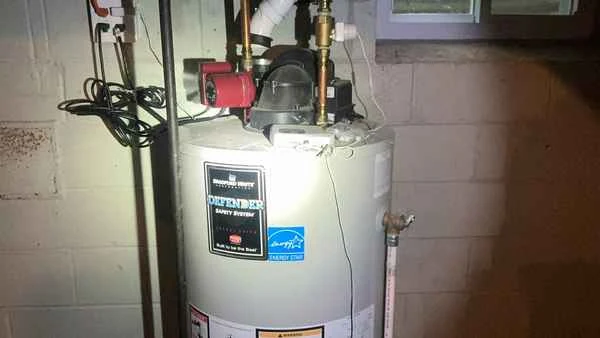
A vent connector carries combustion gases away from the appliance and out of the building. When the connection is loose, those gases can spill into the living space. Carbon monoxide is odorless and colorless, which is exactly why this finding sits at the top of a report.
The estimated repair fell in the $100 to $250 range. It is a small job. It is a small job that nobody schedules if nobody knows.
A bypassed furnace safety interlock
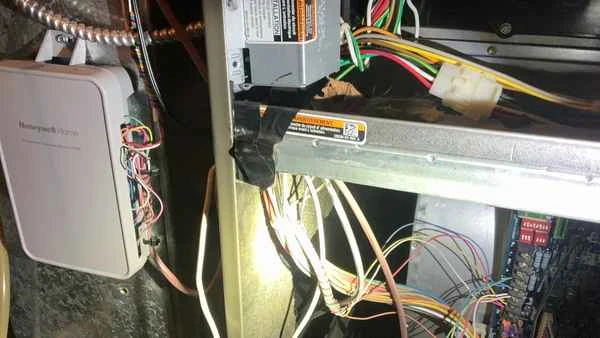
That switch exists to shut the furnace down when the blower compartment is opened. Bypassing it is a common shortcut during service calls. It is also how a hand ends up near a spinning fan.
A homeowner would have no reason to suspect this. The furnace runs. The heat works. The defect is invisible until someone opens the cabinet and looks at a small switch.
A solid aluminum conductor in a sub-panel
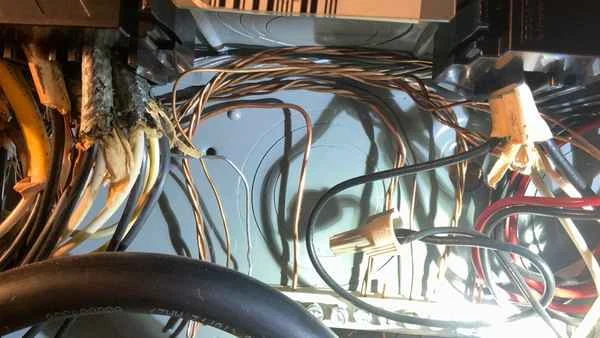
Solid-conductor aluminum branch wiring has been identified as a potential fire hazard. The report was careful about the limits of what was seen. One conductor was observed, and the distribution beyond the panel could not be confirmed from a visual inspection.
That distinction matters. The finding is not a verdict. It is a flag telling the homeowner to bring in a licensed electrician and find out how far it goes.
Things you can only find with instruments
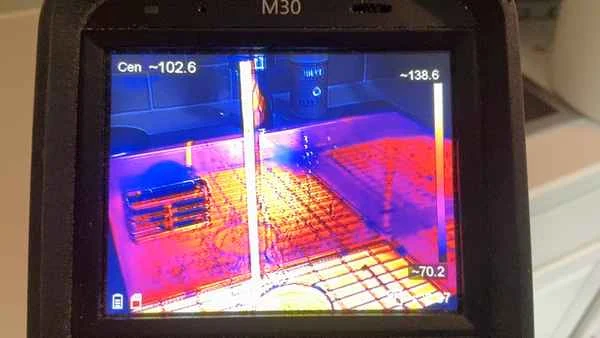
Excessive water temperature is a genuine scald hazard, particularly for young children and older adults. You cannot see it. You can only measure it. The correction is usually a thermostat adjustment.
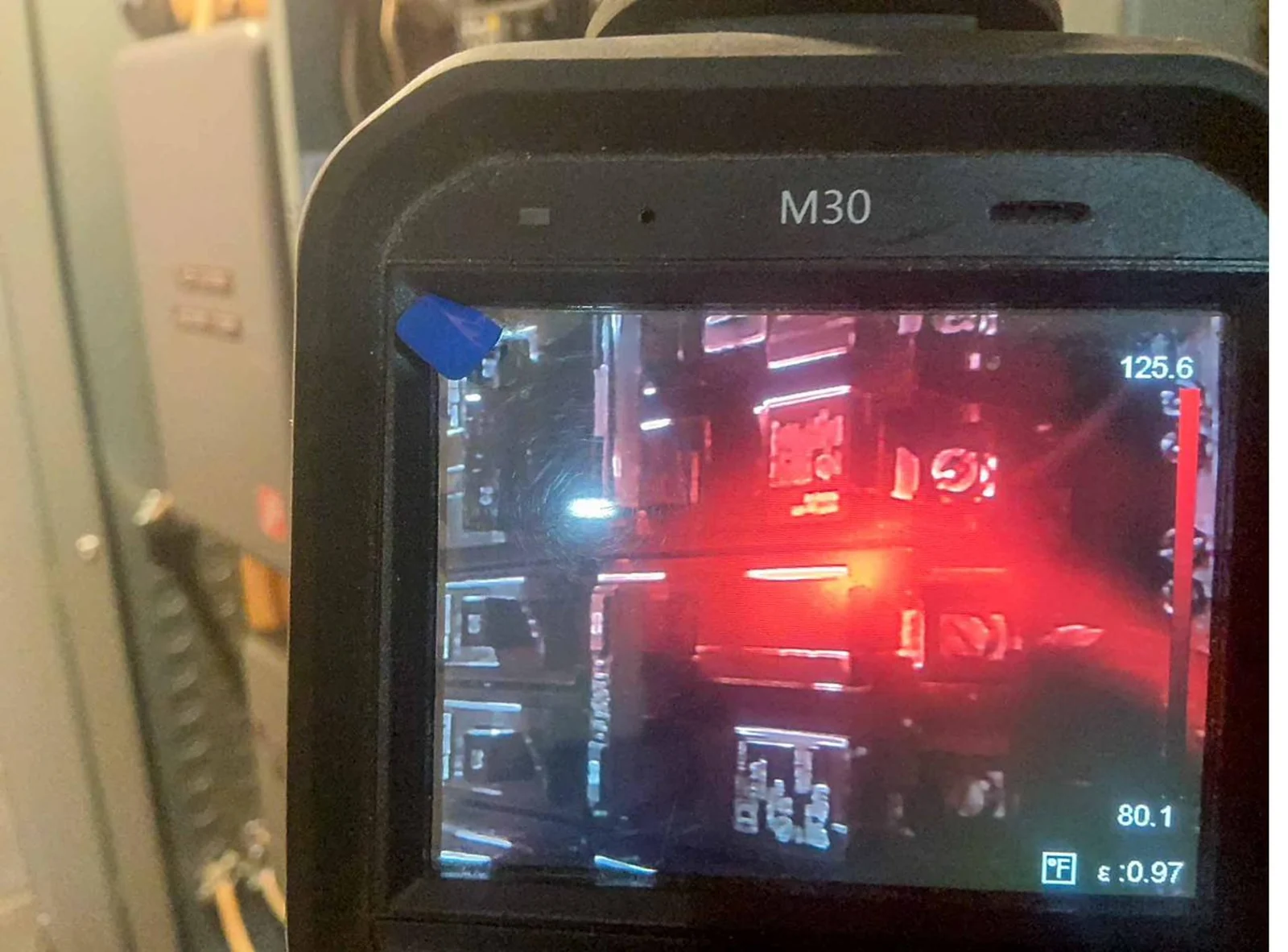
Infrared scanning is one of the clearest illustrations of why an inspection is not a walkthrough. A warm connection inside a panel looks identical to a cool one. The camera tells a different story.
4The Money Items You Can Finally Plan For
The second category is different. These items rarely need a same-week response. They need a budget, a priority order, and a calendar.
This is where a post-settlement inspection quietly earns back its cost. You stop making decisions in emergencies and start making them in advance.
Structural rot, deep inside a crawlspace
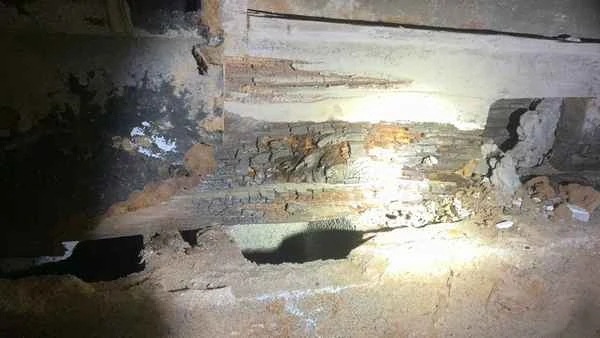
This is the finding that best answers the question “would I really have found this myself?” Almost nobody crawls to the far corner of a low crawlspace with a light on move-in weekend.
Rot in floor framing does not stay the same size. Left alone with an ongoing moisture source, it spreads. Caught now, it is a contained repair with a known number attached.
The moisture source behind it
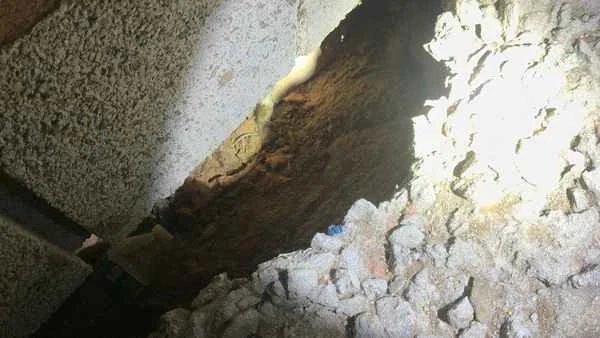
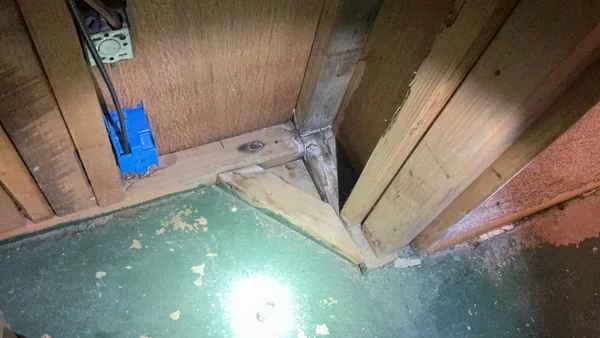
Findings like these are more useful together than apart. Flat grading at the foundation, an incomplete vapor barrier, basement staining, and elevated humidity readings all describe one story rather than four separate ones.
Our MoistureGuard service measured relative humidity in the basement, crawlspace and attic. All three came back between 60 and 70 percent. The EPA recommends keeping indoor humidity below 60 percent, ideally between 30 and 50 percent. MoistureGuard is included with our inspection packages, and we recommend it strongly on older homes and homes with crawlspaces.
That reading turns a vague worry into a target. Dehumidification, drainage corrections and a completed vapor barrier now have a number to be measured against.
Worth Knowing
A long findings list is not a verdict on your house. This Newtown Square home is a good house. Most of the 45 items were small, and several were cosmetic. The value of the report is not the count. It is knowing which two or three items actually matter, and in what order.
5What a Post-Settlement Inspection Gives You That Nothing Else Does
Buyers sometimes assume the value disappeared along with the contingency. It did not. It changed shape.
A documented baseline. You now have dated, photographed evidence of the condition of every system on the day you took ownership. If something fails in year three, you know whether it was already showing signs in year one.
A real maintenance calendar. Your report lists equipment ages and typical service lives. In this home, a five-year-old water heater and condenser sit alongside a 14-year-old furnace. That tells you which replacement to start saving for first.
Leverage with contractors. Walking into a quote with photographs and specific language changes the conversation. You are describing a defect, not a symptom.
A shot at recourse. This one is situational, and we are inspectors rather than attorneys. Still, an undisclosed material defect documented shortly after settlement is worth reviewing with your real estate attorney. Pennsylvania sellers complete a disclosure statement. A report is the evidence that lets someone qualified evaluate it.
Peace of mind, which is the honest one. Most people who waive an inspection carry a low-grade question about what they took on. A report answers it either way.
6When to Schedule It, and What It Should Include
Sooner is better, and there are two reasons. Safety findings should be addressed quickly. And a report dated close to settlement is far more useful if any disclosure question ever comes up.
The good news is that a post-settlement inspection is easier to schedule than a pre-purchase one. There is no deadline, no listing agent, and no lockbox. You can be there for the entire walkthrough and ask every question you want.
A post-settlement inspection should be the same full inspection you would have received before closing. Structure, roof, chimneys, exterior, grading, plumbing, electrical, heating and cooling, appliances, attic, basement and crawlspace. We also recommend adding two things.
Radon testing. Radon is invisible and odorless, and testing is outside the scope of a general home inspection. The EPA recommends taking action at 4.0 pCi/L or higher, and no level is considered entirely without risk. Our radon testing service uses a continuous monitor over a 48-hour period, with results shortly after the test completes. It is one of the most common items skipped in a waived-contingency purchase.
A sewer scope, especially on older homes with original clay or cast iron laterals. The Newtown Square home’s waste piping is cast iron, and the report flagged the sewer cleanout itself as being in questionable condition.
ValueGuard performs post-settlement inspections across all five counties we serve, including Delaware County, Montgomery County, Chester County, Bucks County and Philadelphia. Waived contingencies were especially common on the Main Line, where competition for older homes ran hardest.
7Your First 90 Days: A Post-Settlement Action Plan
If you waived your inspection, here is a realistic sequence. It works whether you hire us or someone else.
The 90-Day Plan
Week 1 — Test every smoke and carbon monoxide alarm. Add units to any bedroom without one. Locate your water, gas and electrical shutoffs.
Weeks 1–4 — Schedule a full post-settlement inspection, plus radon testing and a sewer scope where appropriate.
Week 4 — Address anything flagged as Immediate Action or a Safety Concern. These are typically small dollars and large consequences.
Weeks 4–8 — Get quotes on structural, moisture and drainage findings. Two or three quotes each, using the report photos.
Weeks 8–12 — Build a three-year budget from equipment ages and remaining service lives. A common planning figure is about one percent of the home’s value each year.
Ongoing — Keep the report. It is the baseline every future contractor, buyer and insurer will benefit from.
You cannot get the contingency back. You can absolutely still get the information. In a house you plan to live in for a decade, the information was always the more valuable half.
Frequently Asked Questions
What is a post-settlement home inspection?
It is a complete home inspection performed after you already own the home. The scope is identical to a pre-purchase inspection. It covers structure, roof, exterior, plumbing, electrical, heating and cooling, appliances, attic, basement and crawlspace. The purpose shifts from negotiation to safety, maintenance planning and documentation.
Is it worth getting an inspection after closing?
For most buyers who waived a contingency, yes. Safety defects are frequently invisible to homeowners. A recent ValueGuard post-settlement inspection found a loose water heater vent connector, a bypassed furnace safety switch and two bedrooms without smoke detectors. Each was inexpensive to correct and impossible to notice without an inspection.
How soon after closing should I schedule one?
As soon as you reasonably can. Safety findings deserve prompt attention. A report dated close to settlement is also more useful if a seller disclosure question ever arises. Many of our clients schedule within the first month of ownership.
Can I still make the seller pay for problems found after settlement?
That depends on the facts and on Pennsylvania disclosure law, and it is a question for a real estate attorney rather than an inspector. What we can say is that a documented, photographed report is the evidence any attorney would want. Without one, there is nothing to evaluate.
What kinds of problems get missed when buyers waive an inspection?
Most of them fall into three groups. Items inside equipment, such as a bypassed furnace interlock or a loose flue connector. Items in areas people do not enter, such as crawlspace floor rot or an incomplete vapor barrier. And items that require instruments, such as excessive water temperature, elevated humidity or thermal anomalies inside an electrical panel.
Should I also test for radon after buying?
Yes. Radon testing sits outside the scope of a general home inspection and is one of the most commonly skipped items in a competitive purchase. The EPA recommends taking action at 4.0 pCi/L or higher, and no radon level is considered entirely free of risk. ValueGuard uses a continuous radon monitor over a 48-hour test period.
Will a long list of findings mean I bought a bad house?
Almost never. Every occupied home produces findings, and most reports run long because inspectors document maintenance items alongside material defects. The Newtown Square example produced 45 findings on a well-maintained 1970 home. The useful question is which handful affect safety or cost, not how many lines the report contains.
Which areas does ValueGuard serve?
We inspect throughout Greater Philadelphia, including Philadelphia, Montgomery County, Delaware County, Chester County and Bucks County, with particular depth on older homes across the Main Line.

About ValueGuard Inspections
ValueGuard Inspections has served Greater Philadelphia for more than two decades, inspecting homes throughout Philadelphia, Montgomery, Bucks, Chester and Delaware counties. Our ASHI-certified inspectors specialize in the region’s older housing stock, and every inspection produces a photo-rich, plain-English report you can act on.
Call (215) 860-3150, email Team@valueguardinspections.com, or find us on Google.
Enjoying our home inspection guides? Get ValueGuard articles in your Google results: