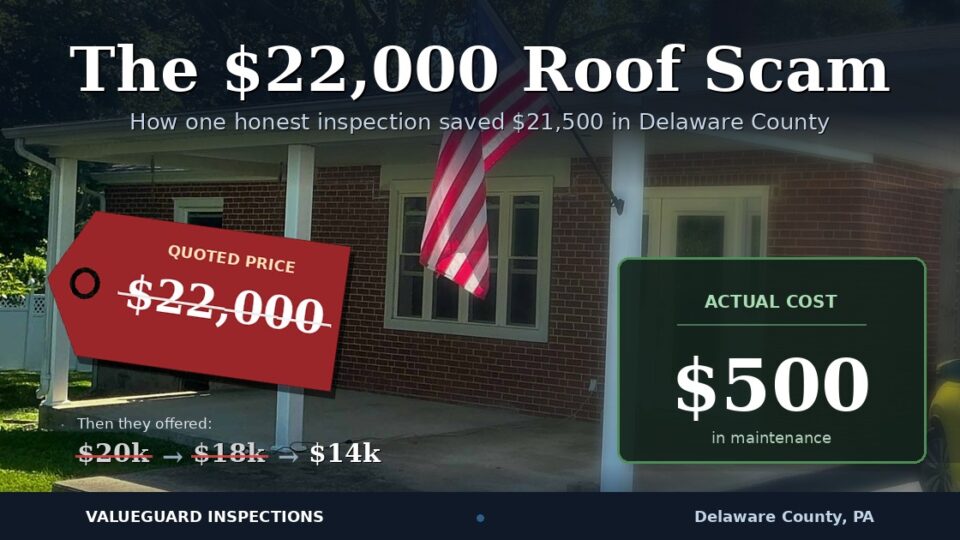
It had been raining in Delaware County for three straight days when the knock came at the door. A man stood on the porch of a small ranch house in Garnet Valley. He said he was working on a neighbor’s roof down the street, and he’d noticed some “concerning” spots on this one from the curb. He offered a free evaluation. No strings attached. For a homeowner who’d been listening to rain hit his shingles for seventy-two hours straight, it sounded like a small kindness. It was actually the opening move in a $22,000 high-pressure sales trap.
At ValueGuard, we see this play out far too often, especially after a stretch of bad weather. Storm-chasing contractors knock on doors, perform a “free” inspection, and produce an emergency that conveniently matches the service they’re selling. Here’s how one local homeowner came within a signature of losing twenty-two thousand dollars — and how an unbiased home inspection in Delaware County turned a five-figure “emergency” into a $500 afternoon of maintenance.
The shrinking price tag
After his quick look at the roof, the “free” inspector came back down the ladder wearing a grim face. The 10-year-old roof, he announced, was a total loss. The quote? $22,000.
For context: this is a single-pitch ranch house under 1,000 square feet. In the world of honest contracting, that number isn’t just high — it’s astronomical. When the homeowner declined, the “negotiation” started.
The contractor walked back to his truck and returned a few minutes later with a “revised” estimate of $20,000. When that was rejected, he claimed his boss had authorized a “today only” special of $18,000. By the next morning, they were calling the homeowner’s cell phone offering to do the entire job for $14,000.
Think about that for a second. If a company can drop their price by $8,000 in twelve hours, they weren’t giving you an estimate. They were testing your breaking point.
Why “free” is the most expensive word in home maintenance
We tell our clients this all the time: “free” is never free when the person doing the evaluation has a five-figure product to sell you. An unsolicited contractor at your door isn’t there to give you a neutral health report on your home. He’s there to find a problem that fits the solution already loaded in his truck.
Our client had his wits about him. He felt the pressure. He saw the aggressive behavior and the sliding price. But he also realized something important — he still didn’t actually know whether his roof was failing. That’s when he picked up the phone and called ValueGuard. He didn’t need a salesman. He needed a home inspector with zero skin in the game.
What our inspector actually found
Our inspector, Cory Shalaway, showed up with a different mission. Cory doesn’t sell roofs. He doesn’t repair roofs. He sells the truth about what’s actually happening on your house — and nothing else. He spent the morning doing a methodical, forensic review of the entire roofing system.
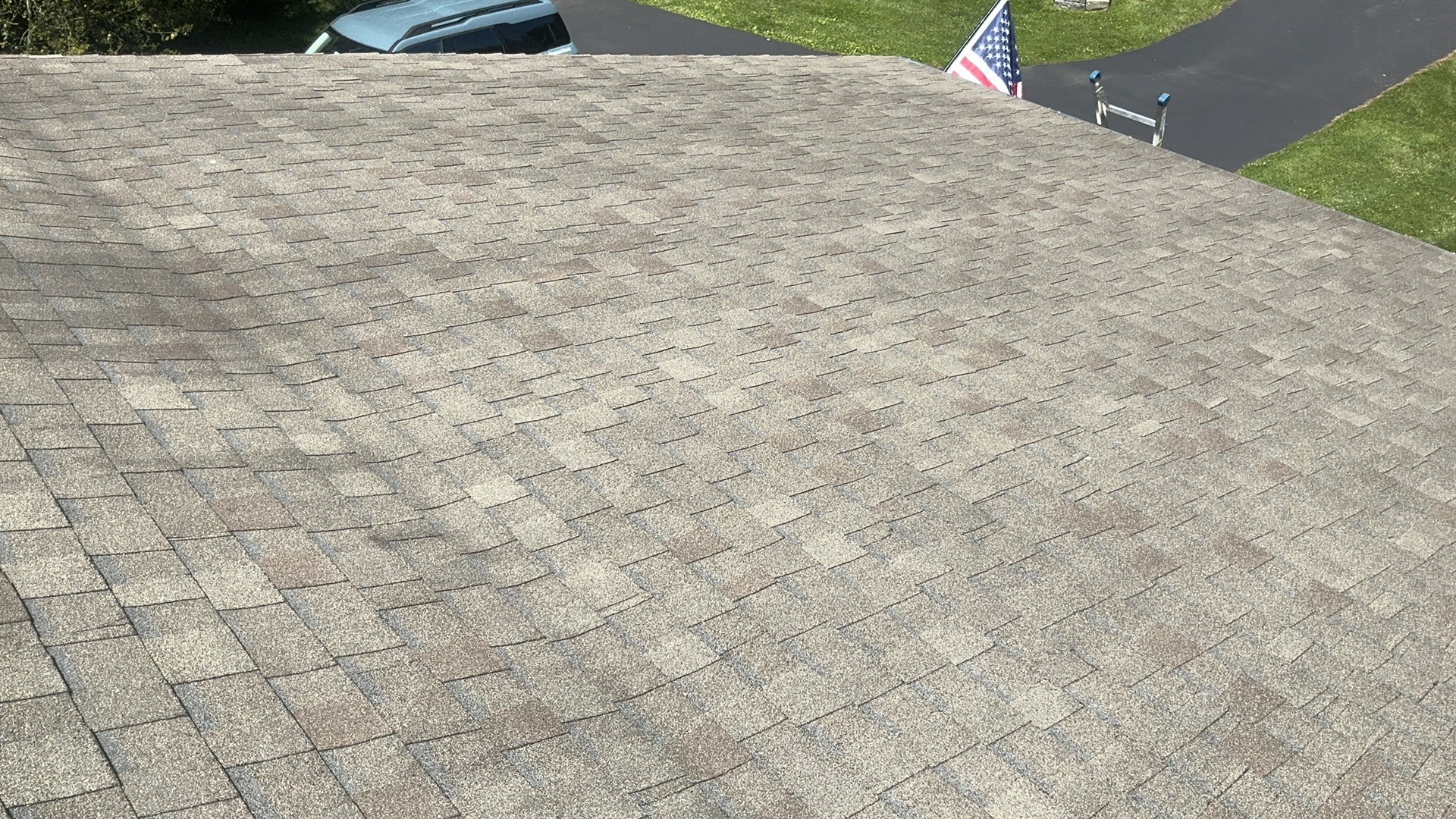
Was the roof perfect? No. It was ten years old. It had lived through a decade of Pennsylvania winters and humid summers, and it showed. But did it need to be replaced? Absolutely not.
Cory documented the actual condition of the shingles, which still had years of useful life remaining. He then found the real culprits behind any potential leaks:
- Worn-out sealants around the plumbing vent boots.
- Minor repairs needed on the chimney cap and flashing.
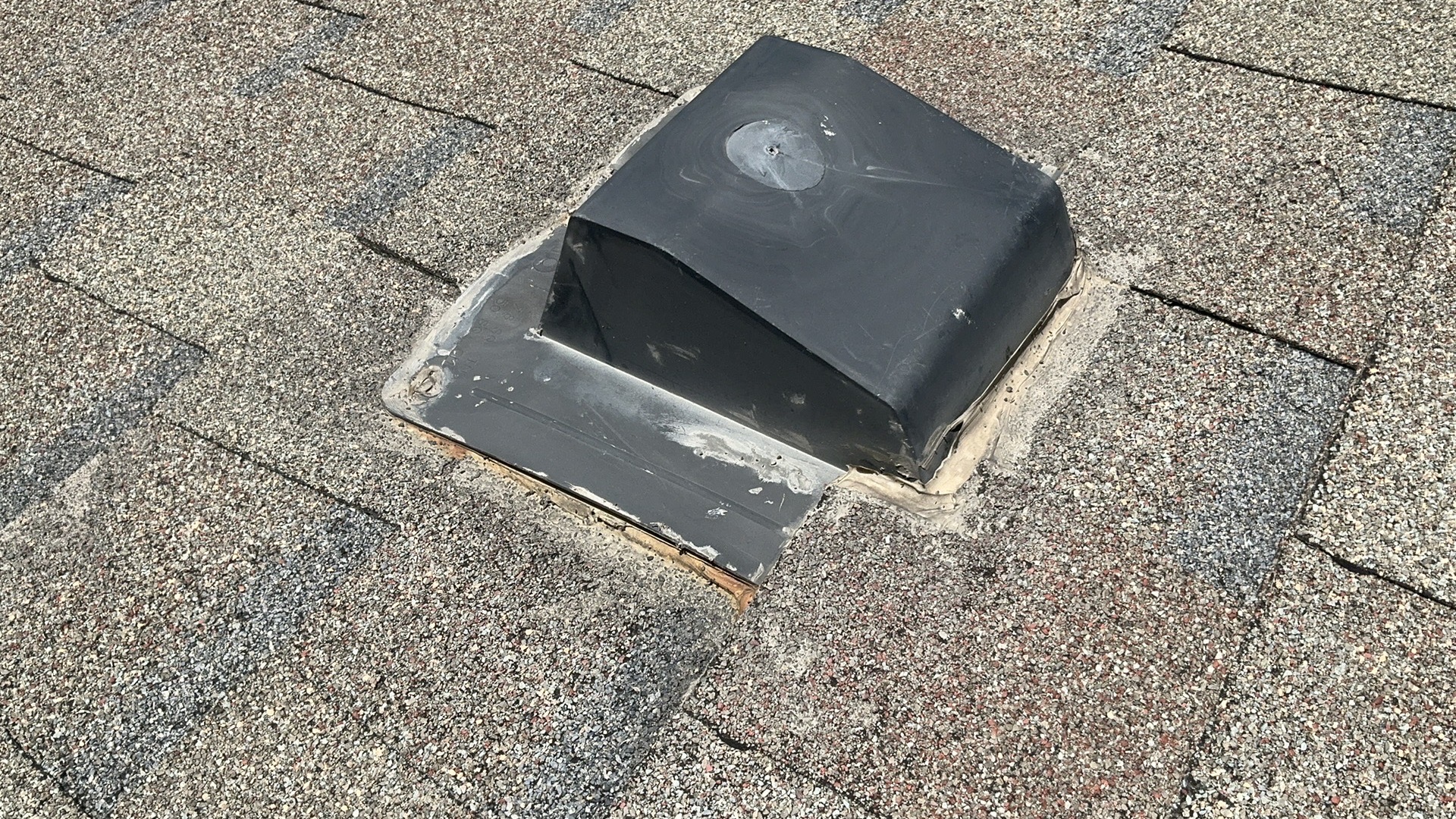
These are routine maintenance items. They cost hundreds of dollars, not tens of thousands. In a single morning, Cory turned a $22,000 “emergency” into a simple afternoon of upkeep.
The hidden story of a 10-year-old roof
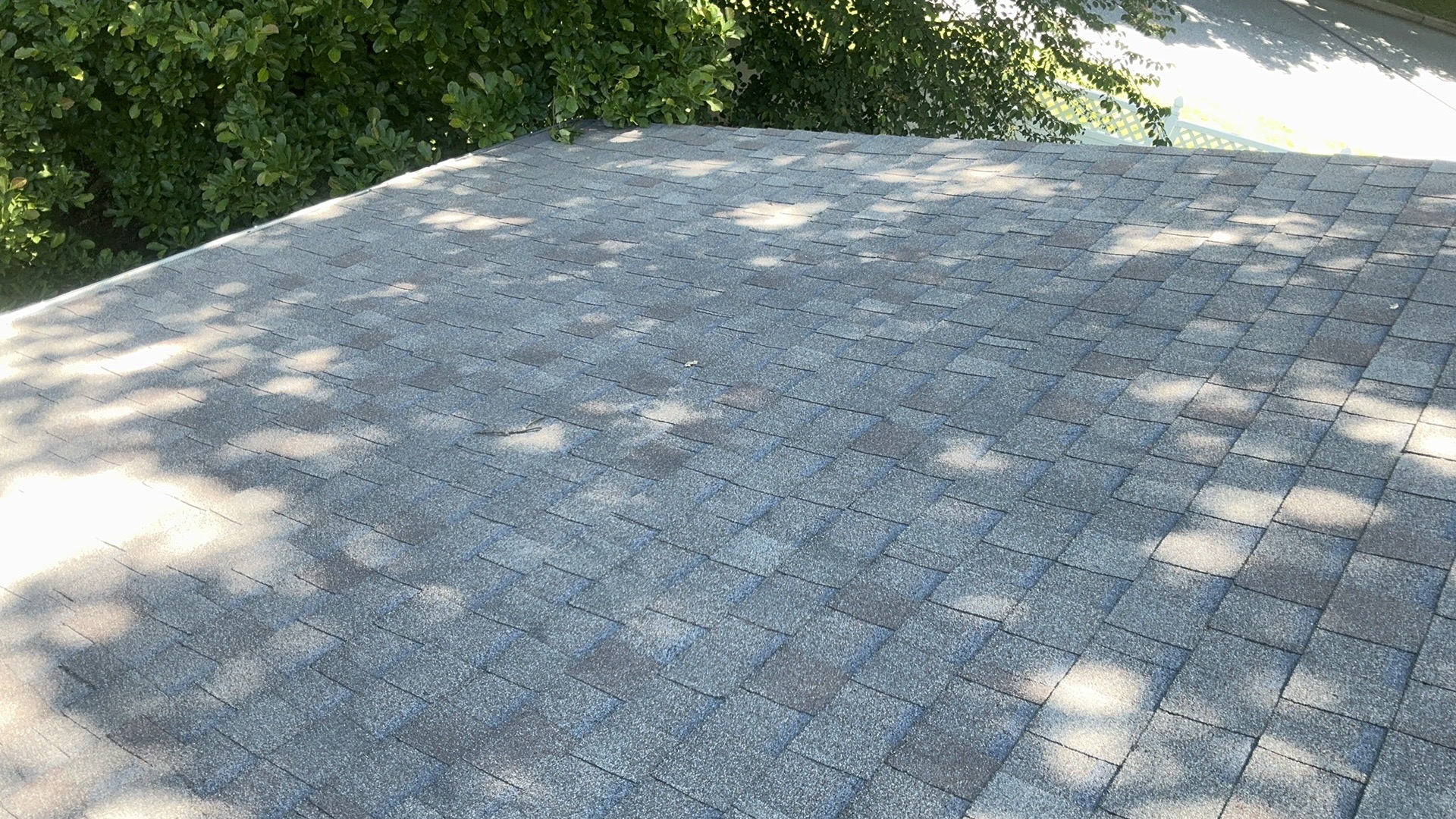
A 10-year-old roof is, in human terms, somewhere in its teenage years. It might look a little weathered. The shingles might have lost a bit of their original color. But the structural integrity of an asphalt shingle roof at that age is almost always sound, and most are designed to last 20 to 30 years when properly maintained.
Predatory contractors rely on your fear of the unknown. They throw around terms like “granule loss” or “lifting shingles” to make a normal aging process sound like an imminent collapse. The truth is more boring: some granule loss is expected as a roof matures, and a few lifted shingles after a windstorm usually means a few nails, not a tear-off.
An independent home inspector looks past the sales pitch and into the attic — because that’s where the real story is told. If the underside of the roof decking is dry, with no staining, no daylight, and no soft spots, that $22,000 “emergency” starts to look like exactly what it was.
Your toolkit for beating predatory contractors
If someone knocks on your door after a storm, you are in the driver’s seat — not them. Here’s the checklist we walk our clients through:
1 Reclaim your power over “free”
A free estimate from a contractor isn’t a gift — it’s a sales lead. If you want a neutral assessment of your roof, hire someone who’s paid for their time and expertise, not for the materials they sell. That’s the entire difference between an inspector and a contractor, and it’s the difference that protects your wallet.
2 Watch for the sliding price
A legitimate roofing estimate is built on real numbers: square footage, materials, labor hours, dump fees, overhead. It shouldn’t move by thousands of dollars just because you said “no.” If the price drops significantly within minutes — or, worse, drops again overnight — you’re being negotiated against, not quoted.
3 Demand radical transparency
Never take a contractor’s word for damage you can’t see yourself. Ask for photos of the specific problem, on your specific roof, with the date and time stamped. A ValueGuard report includes 200 to 400+ photos so you can see exactly what we saw. If a roofer can’t show you the “hole” he’s claiming is there, it almost certainly isn’t.
4 Know the realistic number
For a single-story ranch under 1,000 square feet in our region, a full asphalt-shingle replacement should typically land somewhere in the $10,000 to $12,000 range — sometimes a bit less, occasionally a bit more depending on tear-off, decking repairs, and roof complexity. The $22,000 quote our Delco client received was nearly double a fair market price. That gap wasn’t a coincidence. It was the trap.
The value of an unbiased advocate
The difference between a contractor and a ValueGuard inspector comes down to one word: neutrality. Our business model is built on your peace of mind, not your repair bill. We don’t make a dollar more whether your roof needs replacing or just needs a tube of sealant around a vent boot — and that’s exactly what makes our answer worth something.
In this case, Cory gave our Delco homeowner the best possible gift: the confidence to say “no” to a high-pressure sales pitch, and the clarity to spend $500 on real repairs instead of $22,000 on a replacement he didn’t need.
Your quick “is this a scam?” checklist
If a contractor shows up at your door uninvited, run through these before you sign anything:
- Did they show up uninvited, especially after a storm? → Major red flag.
- Is the price dropping every time you say no? → You’re being manipulated.
- Are they pushing a “today only” deal? → Real contractors don’t work on artificial deadlines.
- Can they show you photos of the actual damage they’re describing? → If not, walk away.
- Has an independent inspector confirmed the problem? → If your gut says wait, wait.
Guard your investment
Your home is almost certainly your largest financial asset. It deserves a guardian who is firmly on your side — not someone who walked up your driveway with a roofing contract already filled out.
Don’t let a knock on the door turn into a financial nightmare. If you’ve been told you need a major repair and your gut is telling you something is off, listen to it. Get a second opinion from someone who doesn’t have a roof to sell you. That phone call cost our Delco client a few hundred dollars. It saved him twenty-one thousand five hundred.
ValueGuard Inspections provides thorough residential and commercial inspections across Philadelphia and the surrounding counties — including Montgomery, Bucks, Chester, and Delaware. Been pressured by a contractor and want a neutral second opinion before you sign? Reach out anytime.

Enjoying our home inspection guides? Get ValueGuard articles in your Google results: