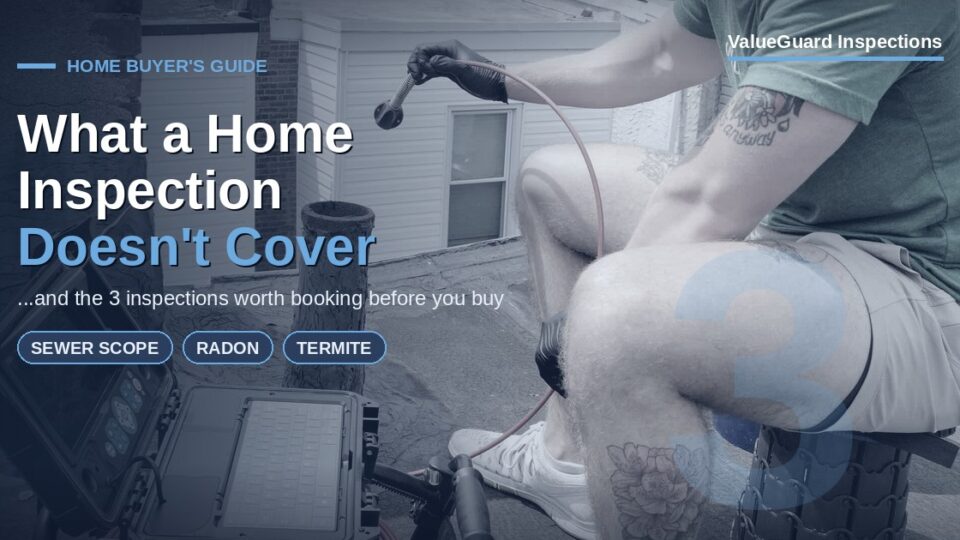
When you hire a home inspector, you’re buying a thorough, professional look at the house you’re about to spend a few hundred thousand dollars on. That’s real value, and a good inspection has saved countless buyers from costly mistakes. But here’s something a lot of inspectors won’t tell you up front: a standard home inspection has clear limits, and the gaps between what we check and what we can’t check are exactly where the expensive surprises hide.
I’d rather you hear this from me now than find out the hard way six months after closing. So let’s talk honestly about what a general home inspection actually is, what it leaves out, and which specialty inspections are worth the extra few hundred dollars depending on the house you’re buying.
What a standard inspection actually is
A home inspection is visual and non-invasive. That phrase does a lot of work, so let’s unpack it.
Visual means we evaluate what we can see and access. We’ll inspect the roof, examine the foundation, test the electrical outlets and panel, run the HVAC system, check the plumbing fixtures, operate windows and doors, and look for signs of water intrusion, structural movement, pest damage, and dozens of other issues. We document everything and explain what it means for you.
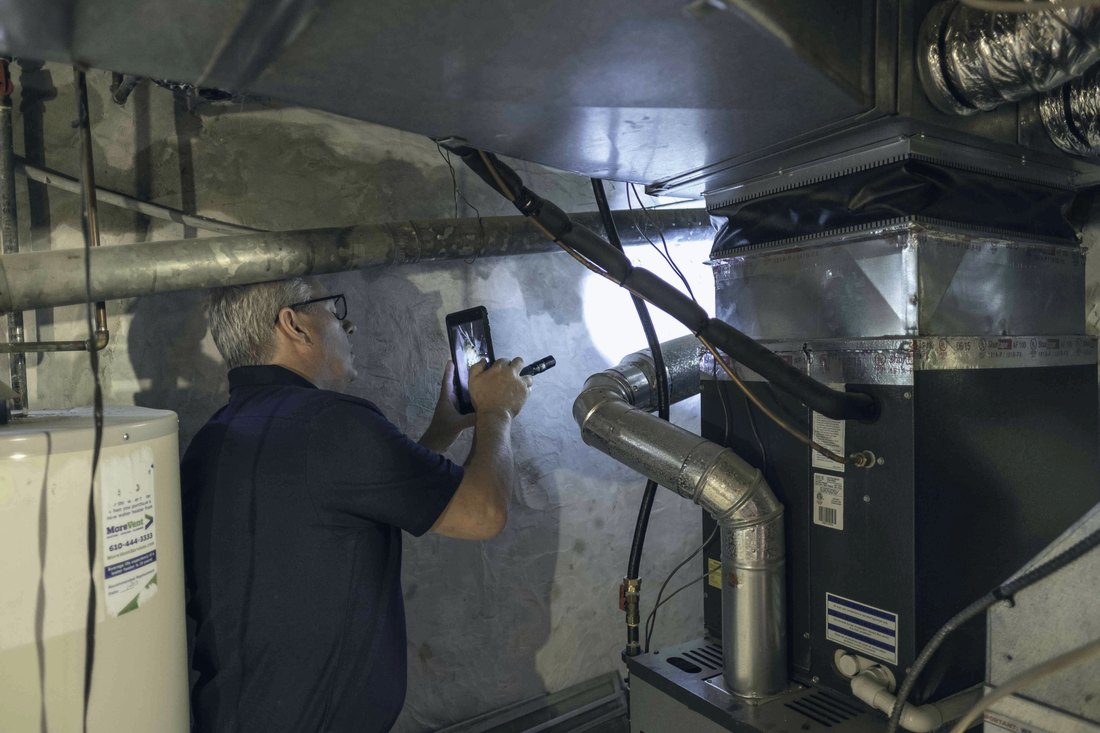
Non-invasive means we don’t take the house apart. We won’t open up walls, pull up flooring, dig in the yard, or dismantle systems. We can’t see inside a sealed pipe, behind drywall, under the soil, or up a chimney flue beyond what a flashlight reveals from the bottom. If evaluating something properly requires specialized equipment or destructive access, it falls outside the scope of a general inspection by design.
This isn’t a shortcut. It’s the standard the profession is built on, and it keeps the inspection affordable and the house intact. But it does mean some of the most expensive components in a home get only a surface-level look — and a few get no real look at all.
The big gaps — and why they matter
Here are the systems a standard inspection commonly does not fully evaluate, and where buyers most often get blindsided.
Sewer and main drain lines. We can tell you the drains run when we fill a sink and flush a toilet. What we can’t tell you is the condition of the buried pipe carrying everything from your house to the municipal main or septic tank. That line can be cracked, root-infiltrated, bellied, or partially collapsed and still pass water during an inspection. Buyers assume the plumbing “passed,” then face a $5,000–$15,000 excavation when the line backs up the following spring.
Radon. This is a colorless, odorless radioactive gas that seeps up from the soil and is a leading cause of lung cancer. It’s invisible to a visual inspection and requires a dedicated test, typically run over 48 hours. Whether it’s a concern depends heavily on your region’s geology — and the Philadelphia area and its surrounding counties sit in a high-radon zone.
Septic systems. A general inspection might note that a property has a septic system, but evaluating the tank, distribution lines, and drain field properly is a specialized job involving pumping the tank and assessing flow. A failing septic system is one of the most expensive repairs a rural property can hand you.
Termites and wood-destroying insects. A standard inspection flags pest damage that’s visible, but it isn’t a substitute for a focused wood-destroying insect (WDI) inspection. Subterranean termites — common throughout the Philadelphia region — work silently inside framing, sills, and joists, and an active infestation can pass unnoticed until the damage is structural and expensive.
Chimneys and flues. We can look at the chimney from the outside and shine a light up from the firebox, but we can’t see the full interior condition of the flue liner, where dangerous cracks and creosote buildup hide. A proper evaluation requires a camera run up the flue.
Buried oil tanks. Older homes, especially here in the Northeast, sometimes have abandoned heating oil tanks buried in the yard. These can leak and create environmental cleanup liabilities that run into the tens of thousands. Locating and assessing them is a specialized scan, not part of a visual inspection.
Notice the pattern: the gaps are concentrated in things that are buried, sealed, or invisible — and they happen to be some of the priciest problems a house can have.
The specialty inspections worth considering
You don’t need every one of these on every house. The smart move is to match the specialty inspection to the house’s age, location, and systems. Here’s how we’d think about it.
1 Sewer scope
Best for older homes, especially with mature trees nearby.
A technician runs a camera through the main line from house to street (or to the septic tank) and shows you exactly what’s down there. This is the one we recommend most often for any home built more than a few decades ago, and it’s close to mandatory if there are large, established trees in the yard — roots are relentless about finding their way into older clay and cast-iron pipes. At a few hundred dollars, it’s cheap insurance against a five-figure repair. If you do only one specialty inspection, make it this one for the right house.
2 Radon test
Best depending on your region — and the Philadelphia area qualifies.
Radon levels are highly geographic. Some areas have widespread elevated readings; others rarely see a problem. Southeastern Pennsylvania — including Philadelphia and the surrounding counties — has some of the highest average radon levels in the country, so testing here is rarely a wasted few dollars. The good news: if levels come back high, mitigation systems are relatively affordable and very effective. The test itself is inexpensive and worth it anywhere radon is common.
3 Chimney Level-2 inspection
Best for any home with a fireplace you plan to use.
If the house has a wood-burning fireplace or a chimney serving a heating appliance, and especially if you intend to actually use it, a Level-2 inspection with a camera-equipped flue scan is worth doing. Cracked flue liners and heavy creosote buildup are both fire and carbon-monoxide hazards, and neither is visible in a standard inspection. This matters even more on older homes and on any house where you can’t confirm when the chimney was last serviced.
4 Termite & wood-destroying insect inspection
Best for nearly every home in our region — and often required by lenders.
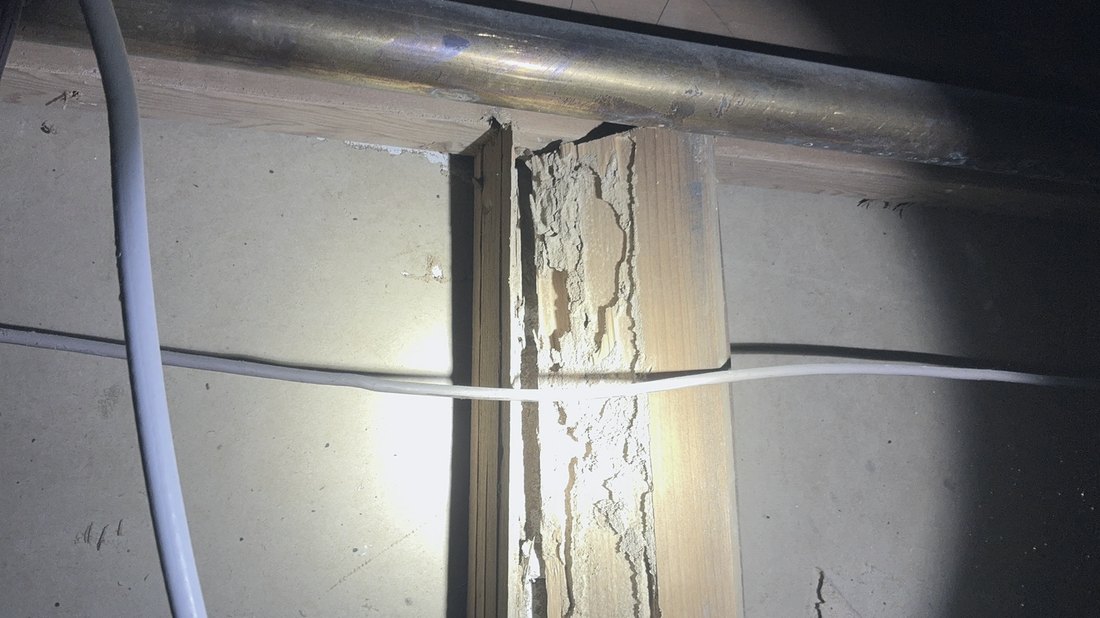
A general inspection notes visible signs of pests, but a dedicated termite (or WDI — wood-destroying insect) inspection is a focused search for termites, carpenter ants, powderpost beetles, and the moisture conditions that invite them. Here in the Philadelphia area, subterranean termites are widespread, and they do their damage quietly inside framing, sills, and floor joists where you’d never spot it from the surface. By the time termite damage is obvious, the repair bill is usually well into the thousands. If you’re financing with an FHA or VA loan, a WDI report is typically required anyway — but it’s worth getting on any home, especially older ones with wood in contact with soil.
Why telling you this builds trust
Here’s the counterintuitive part. You might expect an inspector to downplay the limits of the service to make it sound more complete. We do the opposite, and here’s why: an inspection is only valuable if you understand exactly what it does and doesn’t tell you.
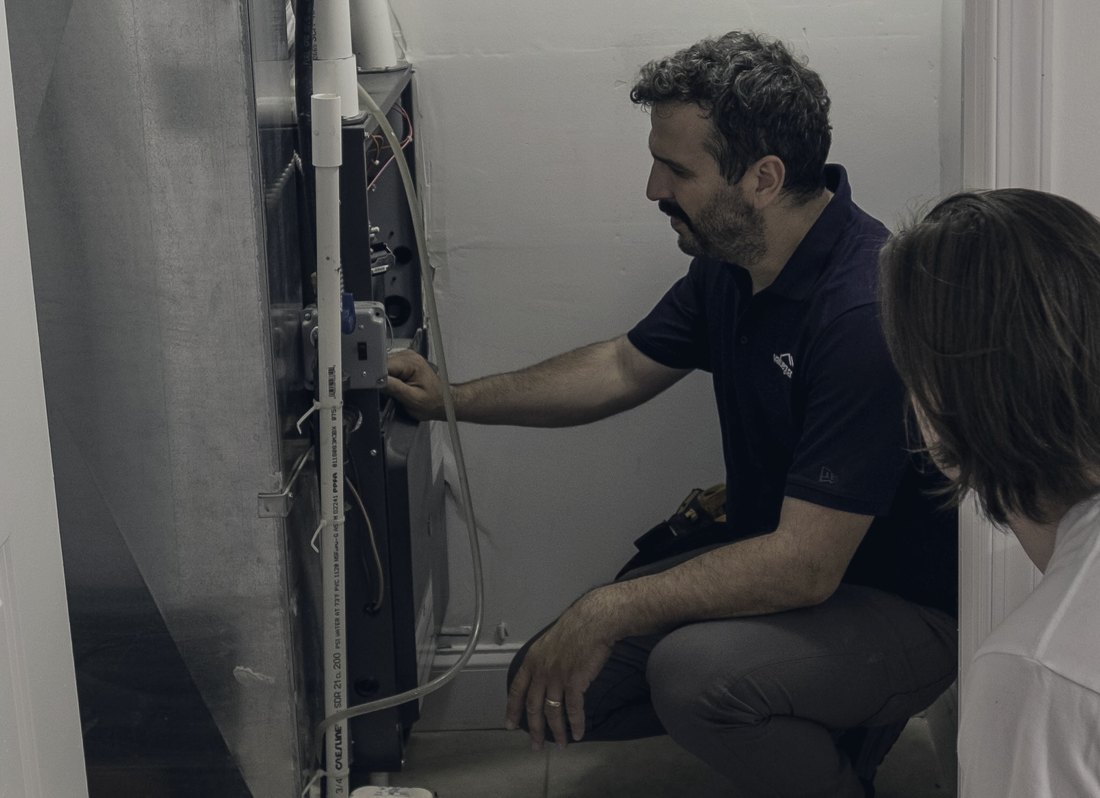
If we let you walk away thinking the general inspection caught everything, we’ve set you up to be blindsided — and to blame the inspection when the sewer line fails. If instead we’re clear about the boundaries and point you toward the specialty inspections that fit your specific house, you can make a genuinely informed decision. You’ll know which risks have been checked, which ones still need a closer look, and where your few hundred extra dollars are best spent.
Being honest about what we don’t do is what lets you trust what we do. A good inspector isn’t trying to be the last word on every system in the house. We’re trying to give you a clear, accurate picture — and to make sure you know when a specialist should take a closer look before you sign.
Your quick “do I need a specialty inspection?” checklist
Before you buy, take a look at the house in front of you and ask:
- Is the home older, or are there mature trees near the sewer line? → Sewer scope.
- Is the house in a radon-prone region like the Philadelphia area? → Radon test.
- Is there a fireplace or chimney you plan to use? → Chimney Level-2.
- Is the home older, financed with an FHA/VA loan, or showing any wood-to-soil contact? → Termite / WDI inspection.
- Could there be an old buried oil tank in the yard? → Tank scan.
Spending a few hundred dollars now to understand what you’re really buying is one of the smartest moves you can make. A great inspection tells you what it found — an honest inspector also tells you where to look next.
The bottom line
A standard home inspection is a thorough, visual, non-invasive evaluation of the house — and a genuinely valuable one. But it isn’t X-ray vision. The buried, sealed, and invisible systems are where the expensive surprises live, and those are exactly the areas that benefit from specialty inspections. Match the inspection to the house, and you’ll buy with your eyes open.
ValueGuard Inspections provides thorough residential and commercial inspections across Philadelphia and the surrounding counties — including Montgomery, Bucks, Chester, and Delaware. Wondering which specialty inspections make sense for the home you’re buying? Reach out anytime.