
You finally found it.
The brick row home in Fairmount with the original crown molding, or maybe that sprawling colonial in Doylestown with the perfect backyard for a summer fire pit.
You’ve checked the roof, you’ve tested the faucets, and you’ve already started mental furniture shopping.
But there is a “hidden story” beneath your feet that your eyes can’t see, your nose can’t smell, and your skin can’t feel.
It’s an invisible, odorless gas called Radon, and in the Greater Philadelphia area, it isn’t just a “possibility”: it’s a statistical probability.
 The Silent Guest You Didn’t Invite
Radon is a naturally occurring radioactive gas that comes from the breakdown of uranium in the soil under your home.
It doesn’t matter if the house is 100 years old or finished yesterday; radon doesn’t discriminate based on your home’s “vintage.”
It seeps through foundation cracks, construction joints, and gaps around service pipes, building up to dangerous levels in the air you breathe every day.
Think of it as a slow-moving intruder that bypasses even the best security systems.
When you breathe it in, those radioactive particles can damage the cells in your lungs.
In fact, the Surgeon General has warned that radon is the second leading cause of lung cancer in the United States, right after smoking.
Why Philadelphia is a Radon “Hot Zone”
If you’re buying in Philadelphia, Bucks, Chester, Delaware, or Montgomery counties, you are living on top of some of the most radon-prolific geology in the country.
Pennsylvania is famous for its “Reading Prong” and other rock formations that are rich in uranium.
While the national average for indoor radon is about 1.3 pCi/L (picocuries per liter), Pennsylvania’s statewide average is a staggering 7.3 pCi/L.
To put that in perspective, the EPA’s “Action Level”: the point where they strongly recommend you install a mitigation system: is 4.0 pCi/L.
Our local levels are nearly double the danger zone on average.
The Truth About the “Safe” Neighborhood Myth
We often hear buyers say, “The neighbor’s house was tested and it was fine, so we’re probably okay.”
This is one of the most dangerous myths in the real estate world.
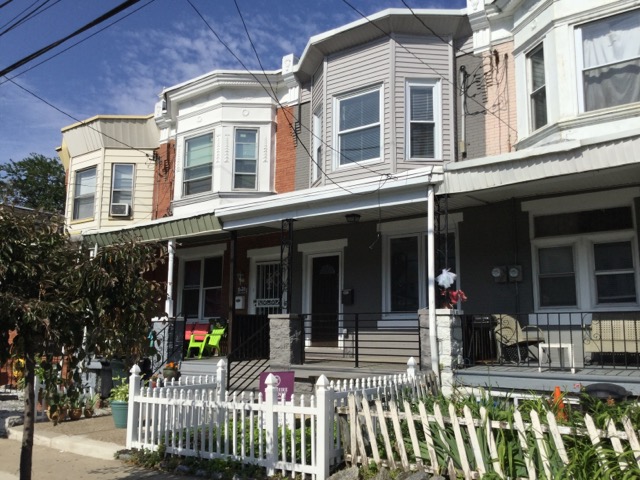
Radon levels can vary wildly from one house to the next, even on the same block.
One home might have a tight foundation, while the one next door has a French drain or a different soil composition that lets gas pour in.
Testing is the only way to know the truth about your specific investment.
Whether you are looking at buying an older home in Bucks County or a sleek new condo in Center City, the risk remains a variable until you have the data in hand.
Guardianship: Your Radon Mitigation Investment
When we talk about radon testing, we aren’t just talking about a “pass/fail” checkmark.
We are talking about guardianship: taking the steps to ensure the long-term health of your family and the financial health of your investment.
If a test comes back high (above 4.0 pCi/L), it doesn’t mean you should walk away from the home.
In fact, it can be a powerful “negotiation leverage” tool.
Most sellers in the Greater Philadelphia area are aware of radon risks, and a professional, certified test report from a trusted name like ValueGuard often leads to the seller paying for a mitigation system or offering a credit at closing.
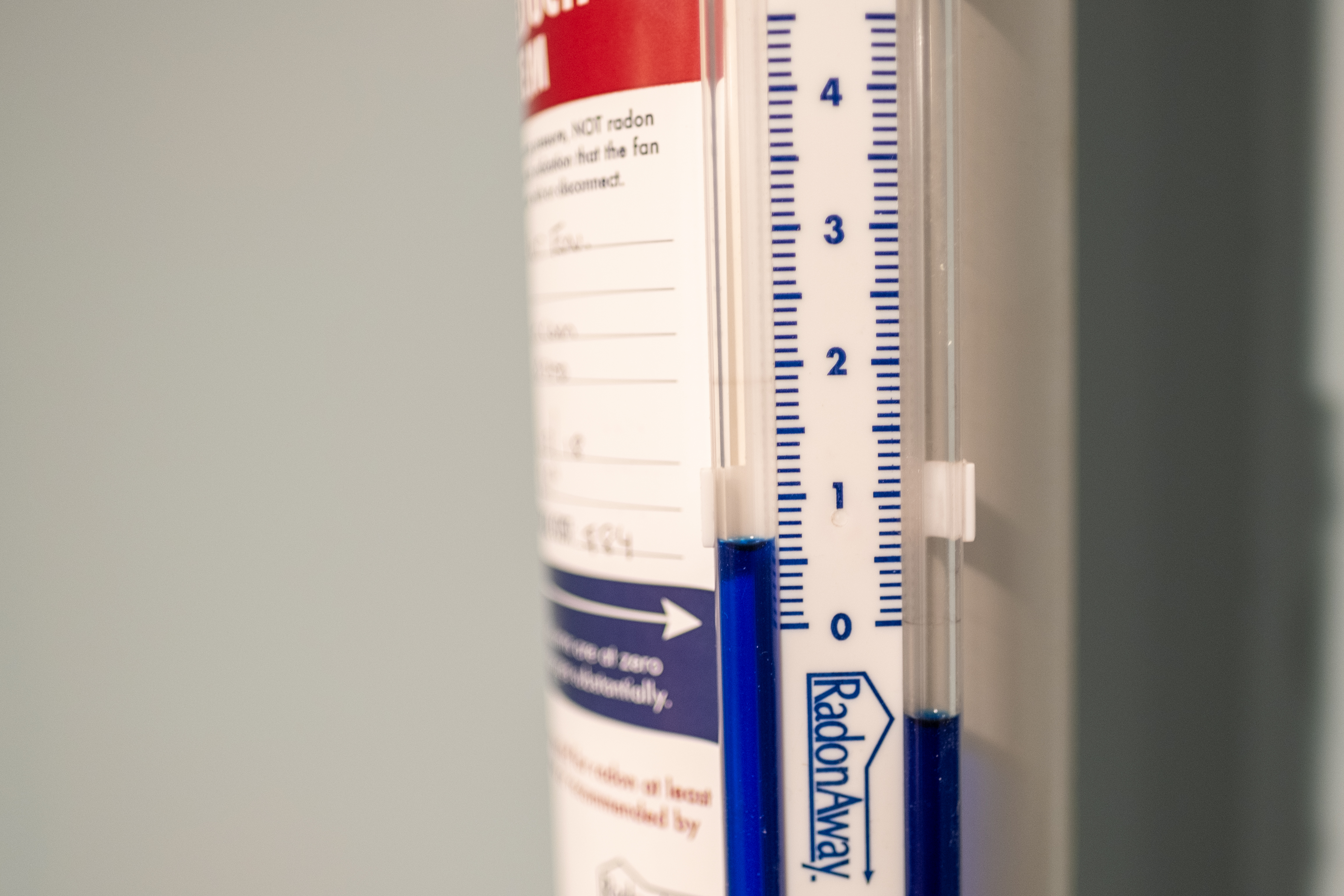
A typical mitigation system: which basically acts as a vacuum to pull gas from under the house and vent it safely above the roofline: costs between $800 and $1,500.
Wouldn’t you rather have the seller cover that cost before you move in?
The ValueGuard Difference: Radical Transparency
Not all radon tests are created equal.
You might see “charcoal canisters” at the hardware store, but for a real estate transaction where thousands of dollars are on the line, you need professional-grade accuracy.
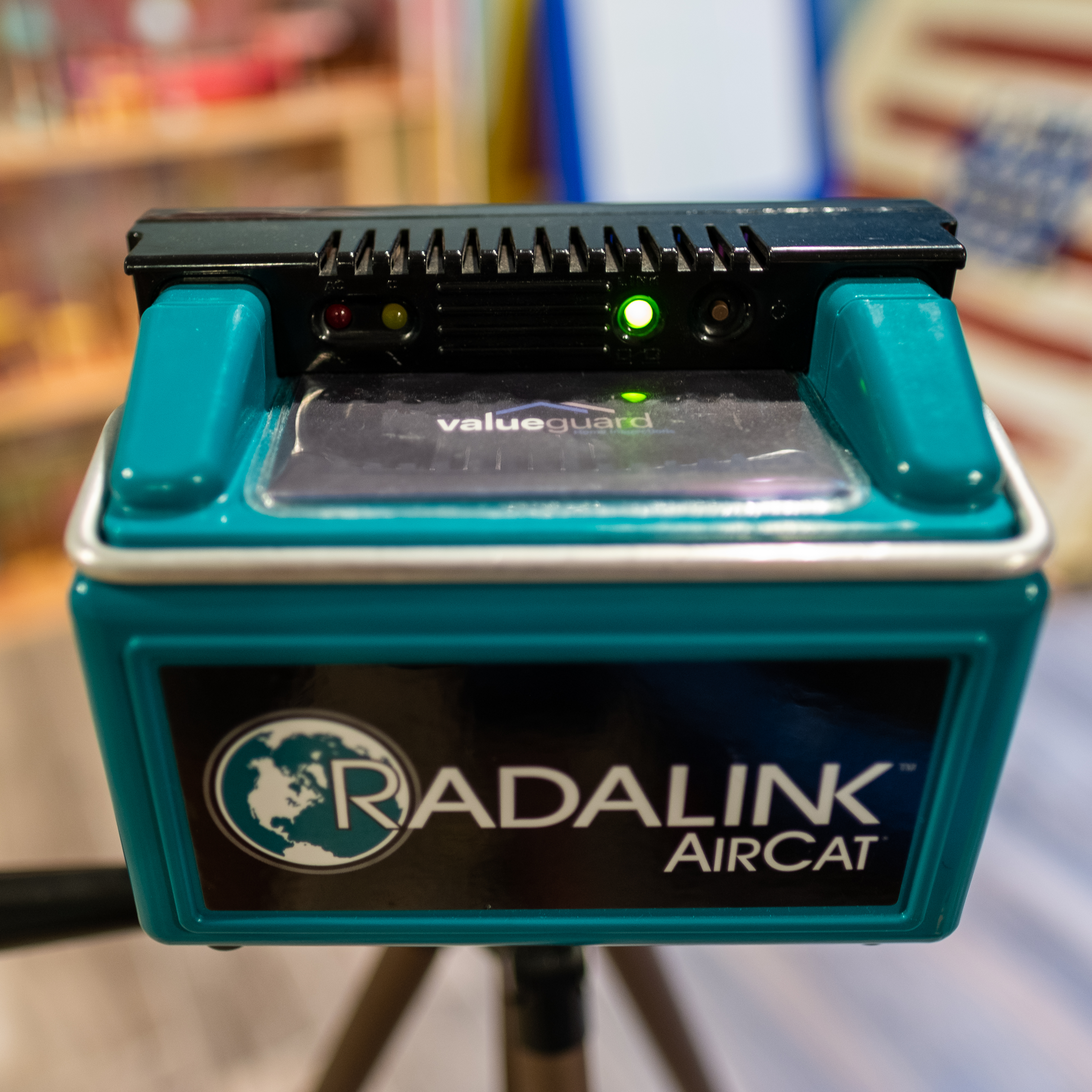
At ValueGuard, we use Radalink electronic monitors.
These are high-tech, tamper-resistant devices that take hourly readings of radon levels, temperature, and barometric pressure.
Why does that matter? Because radon levels fluctuate with the weather.
If a storm rolls through, radon levels can spike. Our monitors track those changes to give you a true, weighted average, not just a “snapshot” that might be misleading.
100% Unbiased Reporting
Here is something we are radically transparent about: We do not perform radon mitigation.
We are a testing-only company. This is a critical distinction for your protection.
Some companies will test your home and then try to sell you a $1,200 mitigation system. To us, that feels like a conflict of interest.
When you hire a ValueGuard inspector, you are getting an advocate who has no financial stake in the results.
If the level is 3.9, we tell you it’s 3.9. If it’s 4.1, we tell you it’s 4.1.
Our goal is your clarity, not a repair contract.
Your “Must-Ask” Radon Checklist
When you are interviewing home inspectors in Philadelphia, don’t just ask if they test for radon. Ask these three critical questions:
- Are you certified by the PA DEP? In Pennsylvania, radon testers must be specifically certified by the Department of Environmental Protection.
- What equipment do you use? Ask for continuous electronic monitoring. Avoid “passive” canisters that can be easily moved or tampered with.
- How fast do I get results? In a fast-paced market like Philly, you don’t have a week to wait for lab results. With ValueGuard, we download the data and have your report to you within hours.
The Financial Benefit of Knowing
Think of a radon test as a small insurance policy for your closing costs.
If the test is low, you get the peace of mind that your family is breathing safe air. That is a priceless return on investment.
If the test is high, you have the documented evidence to ask for a credit.
Our signature photo-rich reports make it easy for sellers and their agents to see exactly what the situation is, making the “ask” for a repair much smoother.
We’ve seen Master Inspectors like Michael Kelley, who has performed over 10,000 inspections, help countless buyers navigate these findings with confidence.
Long-Term Joy: Future-Proofing Your Home
Buying a home is about more than just the next five years; it’s about the next twenty.
By testing for radon now, you are future-proofing your home for when you eventually decide to sell.
In today’s market, smart buyers are asking for radon tests. If you don’t test now, you might be the one paying for the mitigation system five years from now when your future buyer finds a high level.
Fixing it now ensures years of joy and a cleaner bill of health for your property down the road.
Clarity, Confidence, and Peace of Mind
You deserve to walk into your new home with your head held high, knowing that every corner: from the roof to the soil beneath the basement: has been professionally vetted.
Don’t let the “silent guest” ruin your move-in day.
Whether you need a home inspection in Delaware County or are looking for a home inspector in Chester County, our team is ready to act as your protective advocate.
Ready for total clarity on your new home?
Book your comprehensive inspection and radon test with ValueGuard today. Let’s make sure your dream home is as safe as it looks.