It’s a beautiful, sunny afternoon in the Delaware Valley. You’ve just finished your coffee, looking out at the budding trees in your Montgomery County backyard, when you notice it.
A sudden, shimmering cloud of wings is gathering near your window frame. Hundreds of tiny insects are crawling out of a gap in the baseboard, or perhaps hovering near the porch light.
In that moment, your stomach drops. You wonder if your home: your biggest investment and the place where your family sleeps: is under a silent attack.
Is it just a harmless swarm of flying ants, or are termites starting to eat through your equity?
The High-Stakes Reality of Philly Swarm Season
If you live in Philadelphia, Montgomery, Bucks, Delaware, or Chester Counties, you are currently in the “danger zone” for termite swarms.
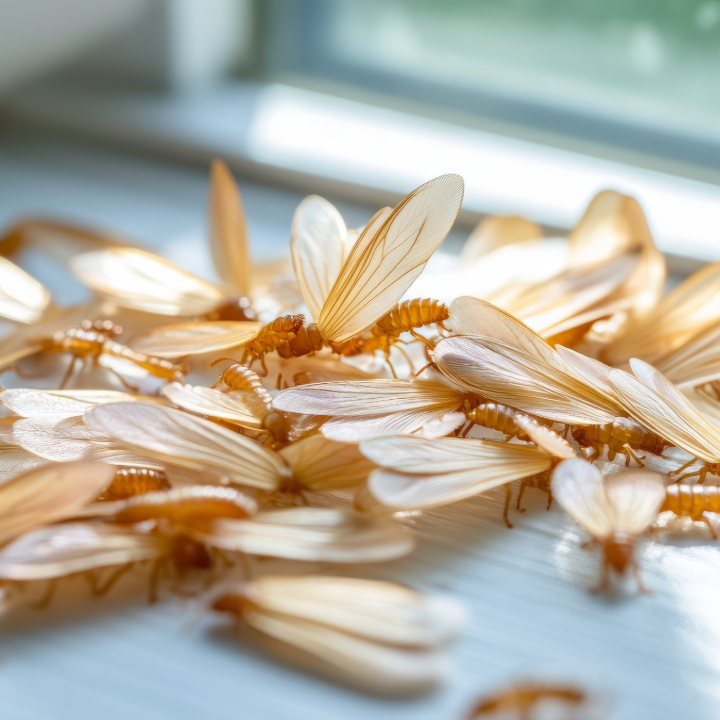
Between late March and the end of May, local termite colonies reach a boiling point. They release “reproductives”: winged termites called alates: to go out and start new colonies.
This often happens on the first warm day following a spring rain. It’s nature’s way of ensuring the ground is soft enough for them to dig.
But for you, it’s a moment of truth. Identifying these pests correctly isn’t just about bug spray; it’s about protecting the structural integrity of your home.
Why “Guessing” is Not a Financial Strategy
Many homeowners in the Greater Philadelphia area make the mistake of hoping for the best. They see wings and tell themselves, “It’s probably just ants.”
Unfortunately, hope won’t save your floor joists or your foundation.
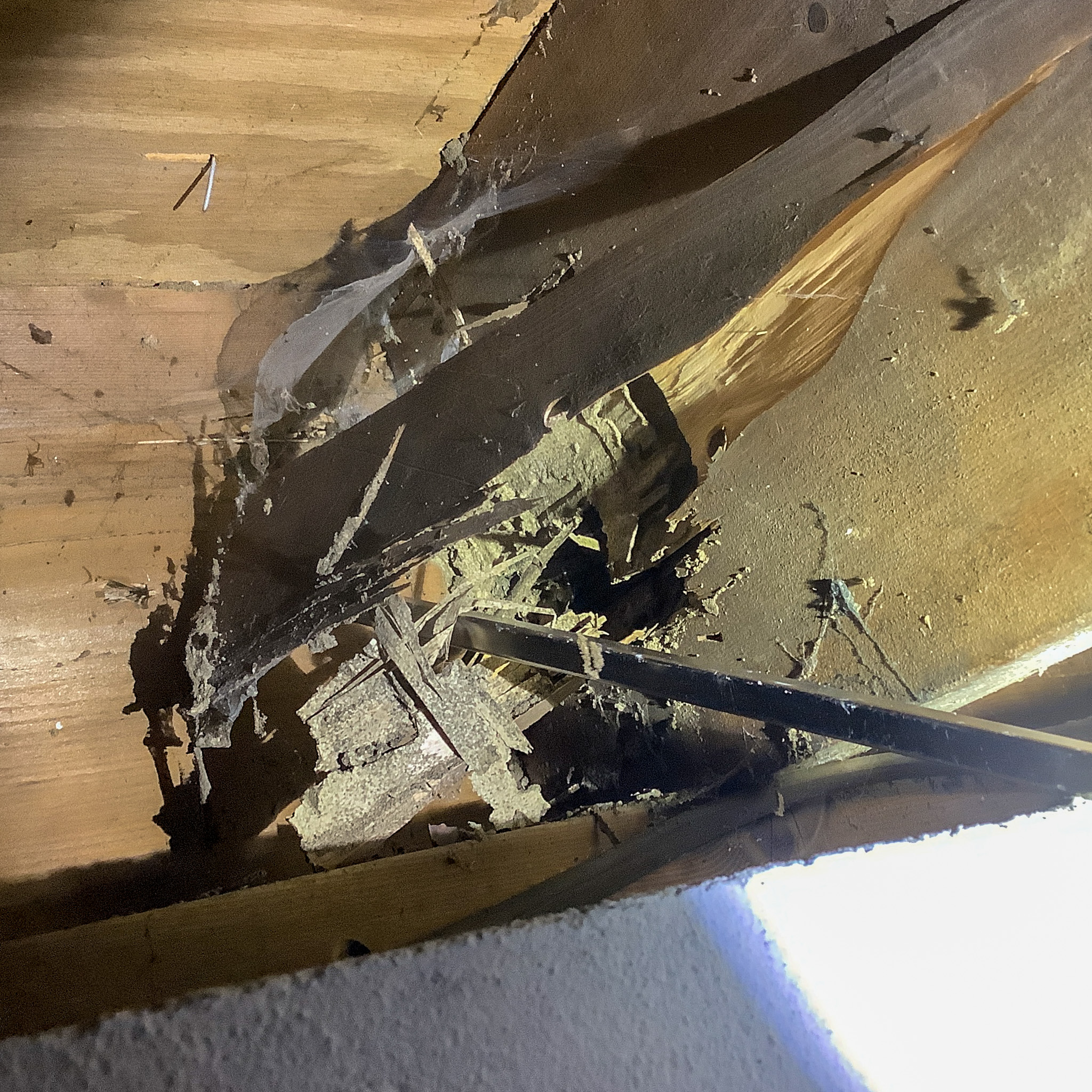
Termites are “silent destroyers.” They work 24/7, munching through wood, flooring, and even wallpaper, often without showing a single outward sign of damage until the structural integrity is compromised.
By the time you see visible damage, the repair bill can easily climb into the thousands. This is why professional guardianship of your home is non-negotiable during the spring.

The Three Key “Tells”: How to Spot the Imposter
To the untrained eye, a flying ant and a swarming termite look nearly identical. However, when you look closely, they tell two very different stories.
Here is your “must-know” toolkit for identification:
1. The Wing Test: Symmetry vs. Chaos
Look at the wings. Termites are built for stability, featuring four wings that are all exactly the same length. When they overlap, they extend far past the end of the body.
Flying ants, on the other hand, have two pairs of wings of unequal length. Their front wings are significantly larger than the hind wings.
The Benefit: If the wings are all the same size, you aren’t looking at a nuisance; you’re looking at a structural threat.
2. The Waistline: Broad vs. Pinched
If you can catch one of the insects, look at its “figure.” Ants have a very distinct, narrow, wasp-like waist. It looks pinched in the middle.
Termites have a broad, straight waist. Their body is more uniform in width from head to tail, resembling a tiny cigar.
The Benefit: A broad waist is a “red flag” that indicates a pest that feeds on your home’s skeleton.
3. The Antennae: Straight vs. Bent
Take a look at the “feelers” on the insect’s head. Ant antennae are “elbowed,” meaning they have a sharp bend or a joint in them.
Termite antennae are straight and look like they are made of tiny, individual beads stacked on top of each other.
The Benefit: Straight, beaded antennae are a signature of the subterranean termite: the most common wood-destroying insect in our region.
The Hidden Story Behind the Wings
Seeing wings on your windowsill is actually a “gift” in disguise. It is your home’s way of sounding an alarm.
When termites swarm inside a house, it almost always means there is an active infestation already established within the structure. They didn’t just fly in through an open door; they emerged from the walls.
If you find discarded wings but no insects, the situation is even more urgent. It means the “marriage flight” has already occurred, and the pests have shed their wings to crawl into your wood and start a new generation of destruction.
Whether you are in a historic Philadelphia row house or a modern home in Doylestown, the threat is equally real.
Severe Wood Damage from Termites or Decay Discovered in Inspection
Your Home Inspection Toolkit: What We Look For
At ValueGuard, we don’t just “look at bugs.” We investigate the story of your home.
When our experts arrive at your property in Haverford or elsewhere in the Main Line, we use professional diagnostic tools to find what the naked eye misses.
- Mud Tubes: Subterranean termites build tiny “highways” made of mud and saliva to travel from the soil into your home. We check foundations, sills, and joists for these tell-tale signs.
- Hollow Wood: We use a technique called “sounding.” By tapping on structural timber, we can hear if the wood has been hollowed out from the inside.
- Moisture Detection: Termites love damp wood. We use advanced moisture meters and thermal imaging to find “hot spots” where leaks or poor drainage might be inviting pests inside.
The ValueGuard Advantage: 25+ Years of Unbiased Protection
When you suspect termites, who you call matters.
Pest control companies make their money by selling you expensive treatment plans. While treatment is often necessary, you deserve an unbiased opinion first.
ValueGuard has spent over 25 years serving the Greater Philadelphia area. We don’t sell remediation services, which means our reporting is 100% focused on your best interests. We tell you exactly what we see, where the risks are, and what the next steps should be: without the pressure of a sales pitch.
Meet Your Advocate: Todd Denney
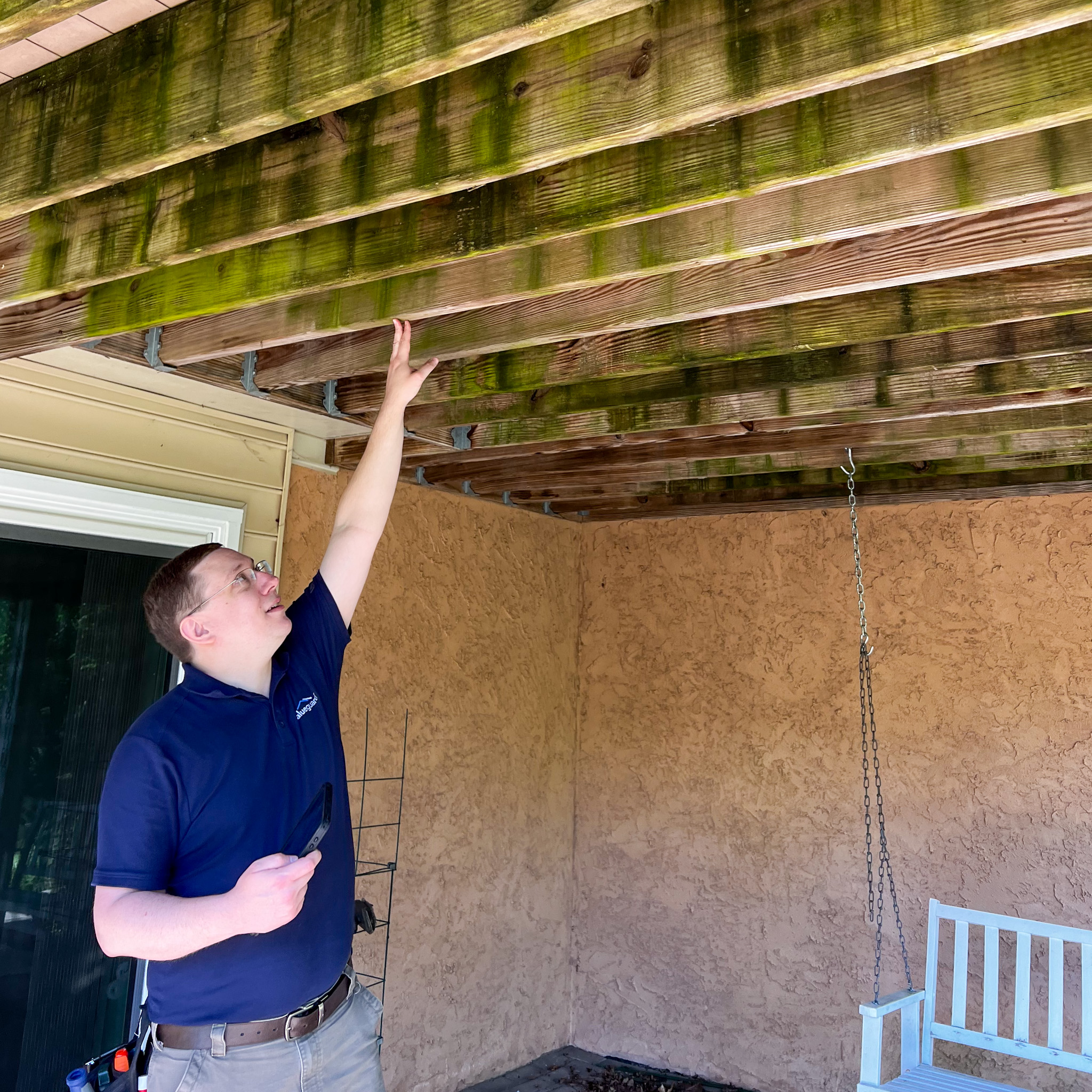
Our team is led by experts like Todd Denney. Todd is an ASHI Certified Inspector and a specialized Termite Inspector with over 600 inspections under his belt.
He knows exactly where Philly termites hide, from the crawlspaces of historic homes to the garages of new constructions.
Your “Peace of Mind” Checklist
If you see a swarm today, don’t panic. Follow these steps to take control of the situation:
- Collect a Sample: Place a few of the insects (and their wings) in a clear jar or a plastic bag. This allows our inspectors to give you a definitive ID.
- Save the Wings: If you only find wings on a windowsill, sweep them into a baggie. Do not throw them away!
- Check the Perimeter: Walk around the outside of your home. Look for “mud tubes” climbing up the foundation or wood mulch that is touching your siding.
- Avoid DIY “Solutions”: Over-the-counter bug sprays might kill the few insects you see, but they won’t touch the colony hidden inside your walls.
- Call the Experts: Schedule a professional Wood-Destroying Insect (WDI) inspection to get a full picture of your home’s health.
Frequently Asked Questions
How can I tell the difference between termites and flying ants?
Check three things: wings, waist, and antennae. Termites have four wings of equal length, a broad straight waist, and straight beaded antennae. Flying ants have unequal wings (front larger than hind), a pinched wasp-like waist, and elbowed antennae. If the wings are all the same size, treat it as a termite until proven otherwise.
When is termite swarm season in Philadelphia?
Termite swarm season in the Greater Philadelphia area runs from late March through the end of May. Swarms typically occur on the first warm day after a spring rain, when eastern subterranean termite colonies release winged reproductives (alates) to start new colonies.
What does it mean if I find discarded wings on my windowsill?
Discarded wings usually mean a swarm has already occurred and the insects have shed their wings to pair off and burrow into wood. If the wings are all equal length, it’s a strong sign of an active termite colony in or near the structure. Save the wings in a bag for identification and schedule a professional inspection.
What is a WDI (Wood-Destroying Insect) inspection?
A WDI inspection is a professional evaluation of a home for termites and other wood-destroying insects, such as carpenter ants and powderpost beetles. The inspector checks foundations, sills, joists, and other structural wood for mud tubes, hollow-sounding timber, moisture conditions, and visible damage, then documents the findings in a report. Most lenders require a WDI report for home purchases.
Does ValueGuard treat termites?
No — and that’s by design. ValueGuard performs unbiased termite and WDI inspections but does not sell treatment or remediation services. Because we have nothing to sell beyond the inspection itself, our report tells you exactly what we found and what your next steps should be, with no sales pressure.
Who does termite inspections in Philadelphia and the surrounding counties?
ValueGuard Inspections provides professional termite and WDI inspections throughout Philadelphia, Montgomery, Bucks, Chester, and Delaware counties. Reports are photo-rich, delivered by the next business day, and backed by a 100% satisfaction guarantee. Call (215) 860-3150 to schedule.
Secure Your Home’s Future Today
Your home is more than just a building; it’s your sanctuary and your primary financial asset. Don’t let a “silent destroyer” take that away from you.
Whether you are buying a new home and need a pre-settlement inspection, or you are a long-term homeowner who just saw something suspicious, clarity is just a phone call away.
We provide photo-rich, actionable reports delivered by the next business day. Plus, we back our work with a 100% satisfaction guarantee.
Stop wondering. Start knowing.
Contact ValueGuard today to schedule your professional termite inspection. Let’s ensure your Philly home remains a place of joy and security for years to come.

Enjoying our home inspection guides? Get ValueGuard articles in your Google results: