The Short Version
Tudor Revival homes — steep gables, half-timbering, slate roofs, massive chimneys — were built across the Main Line from the 1890s through the 1930s, peaking in the 1920s. They are some of the most charming and best-built homes in the Philadelphia region, but their signature materials (slate, stucco, plaster, original masonry and early wiring) age in specific, predictable ways. A historic home inspection — a standard home inspection performed by a home inspector experienced with century-old construction — documents what’s original, what’s been updated, and what needs attention. That’s exactly what our team recently did inside a 1927 Tudor in Wynnewood.
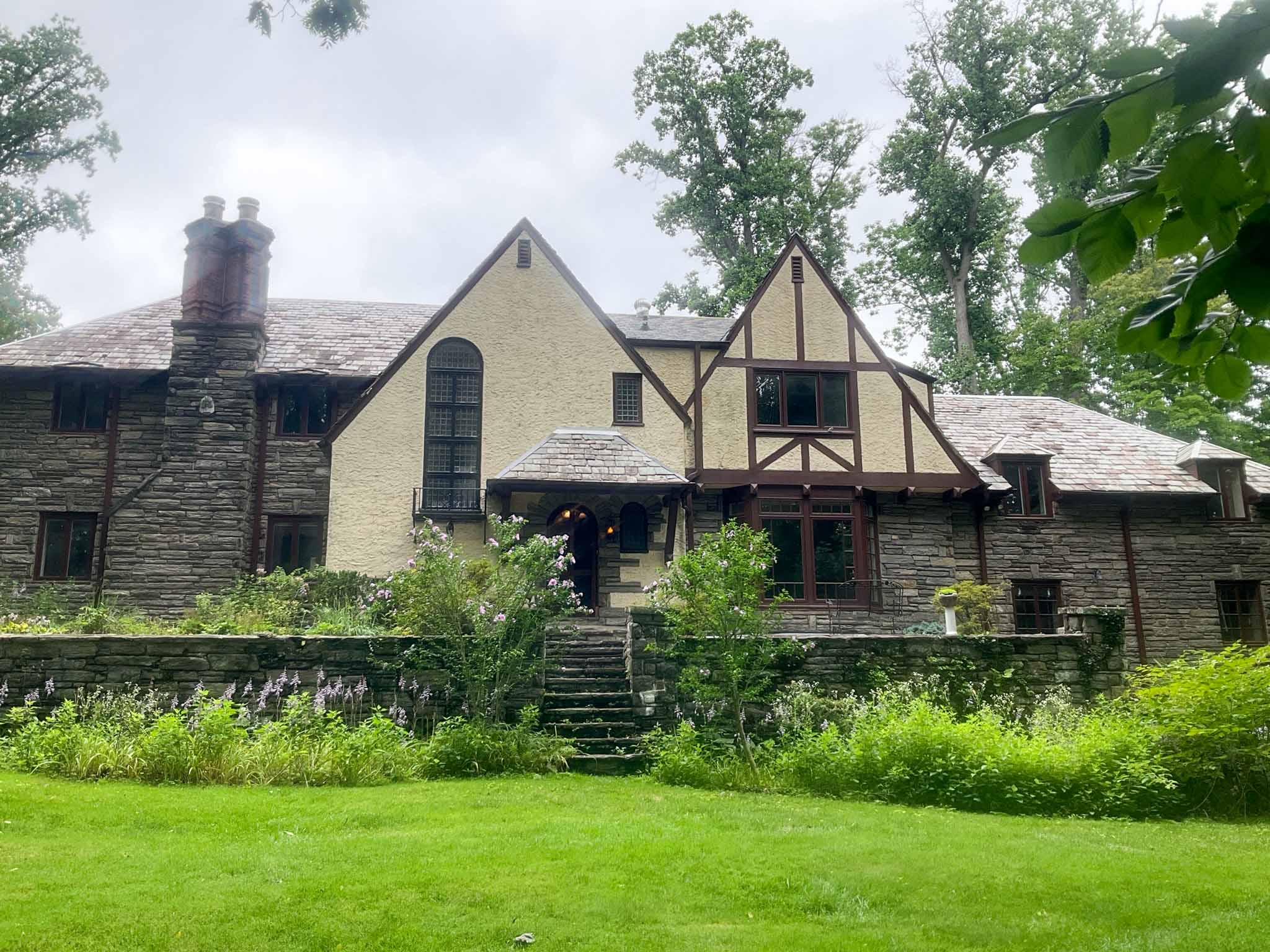
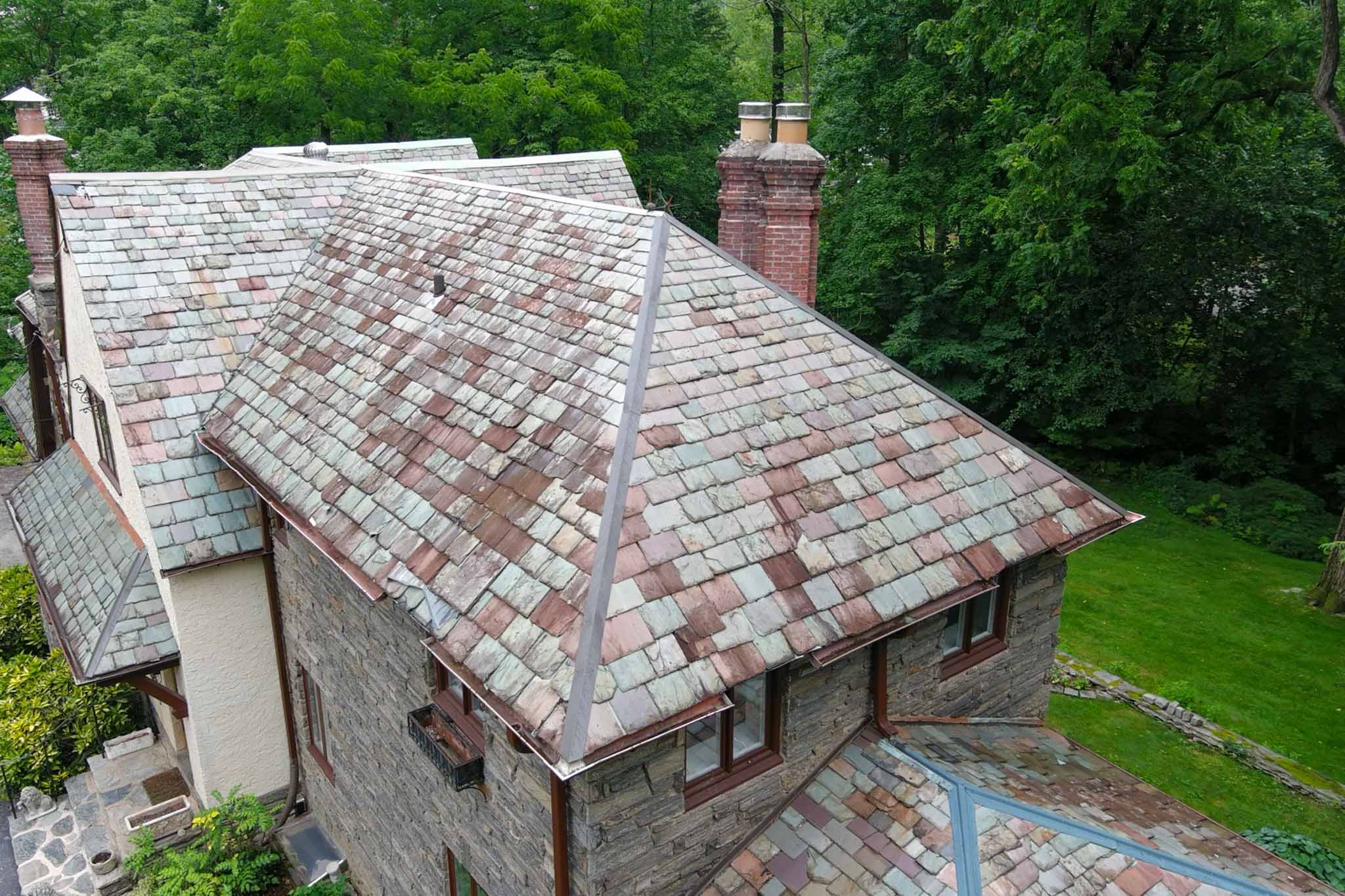
This month, our team spent a morning inside a 1927 stone-and-stucco Tudor Revival in Wynnewood — steeply pitched slate roof, twin masonry chimneys, leaded windows, plaster walls that have watched a century go by. Homes like this are why home inspectors love working on the Main Line and in Montgomery County.
They are genuinely beautiful buildings, built by craftsmen with materials nobody uses anymore. They are also nearly one hundred years old, and a hundred-year-old house asks different questions than a house built in 1995.
So let’s give the Tudor its due: where the style came from, why the Main Line has one of the best concentrations of Tudor Revival architecture in America, and what an inspector trained on historic homes actually looks for when one of these classics changes hands.
1What “Tudor” Actually Means (Hint: Not the 1500s)
When a Main Line listing says “Tudor,” it almost never means architecture from the reign of Henry VIII. American Tudors are Tudor Revival — a romantic reimagining of medieval English building that swept the United States from roughly the 1890s through the 1930s, peaking in the 1920s.
After the fussiness of the Victorian era, affluent buyers wanted homes that felt old-world, substantial, and permanent. Tudor Revival delivered exactly that: an English country manor, shrunk to fit a suburban lot and wired for electricity.
The style became so popular with bankers and executives that the grander examples earned the nickname “stockbroker Tudors.” Pattern books and catalogs spread the look nationwide, but few regions embraced it like the railroad suburbs west of Philadelphia.
2How to Spot a Tudor Revival
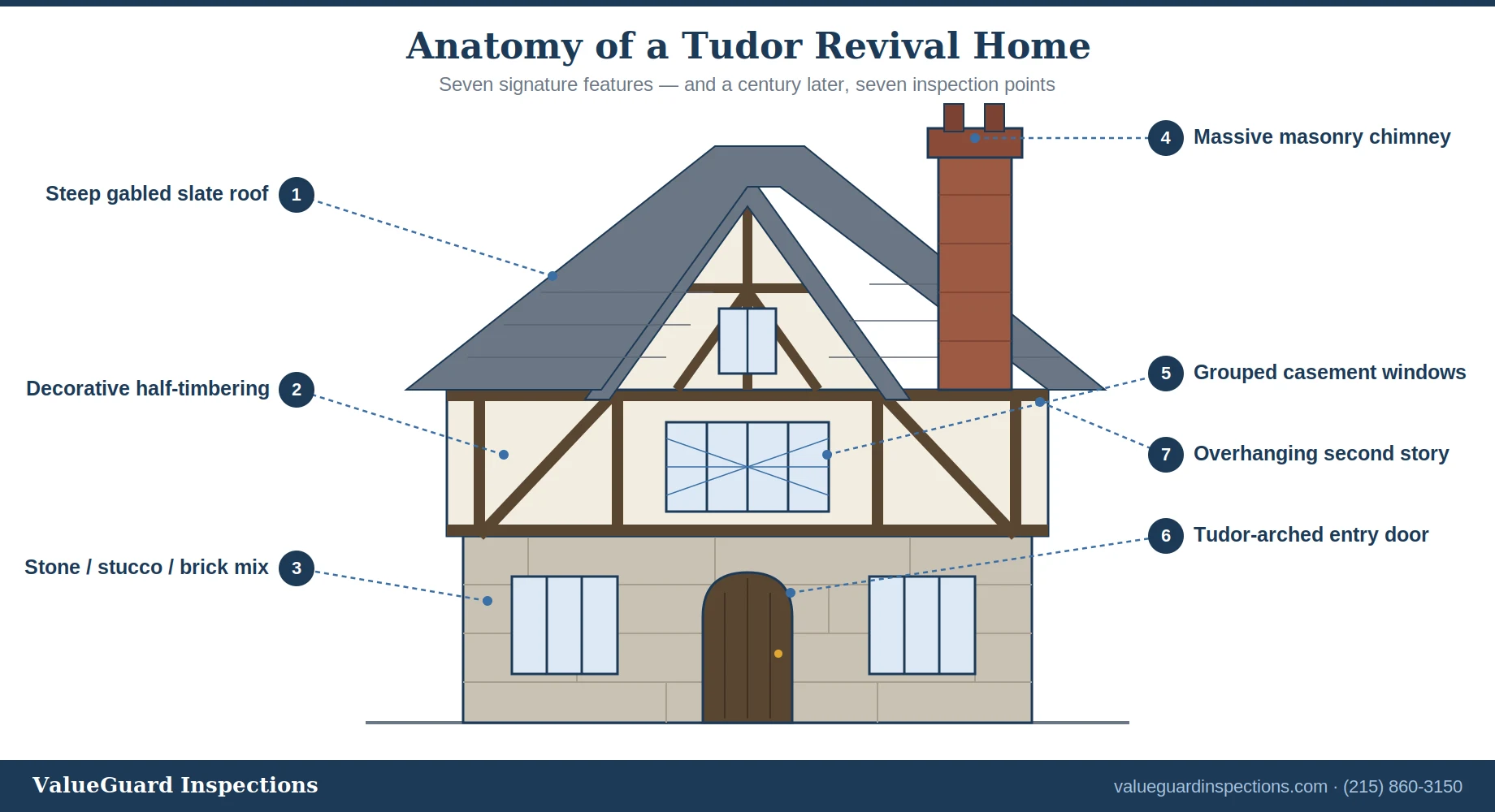
Once you know the signature features, you’ll see Tudors everywhere from Wynnewood to West Chester:
Signature Tudor Revival Features
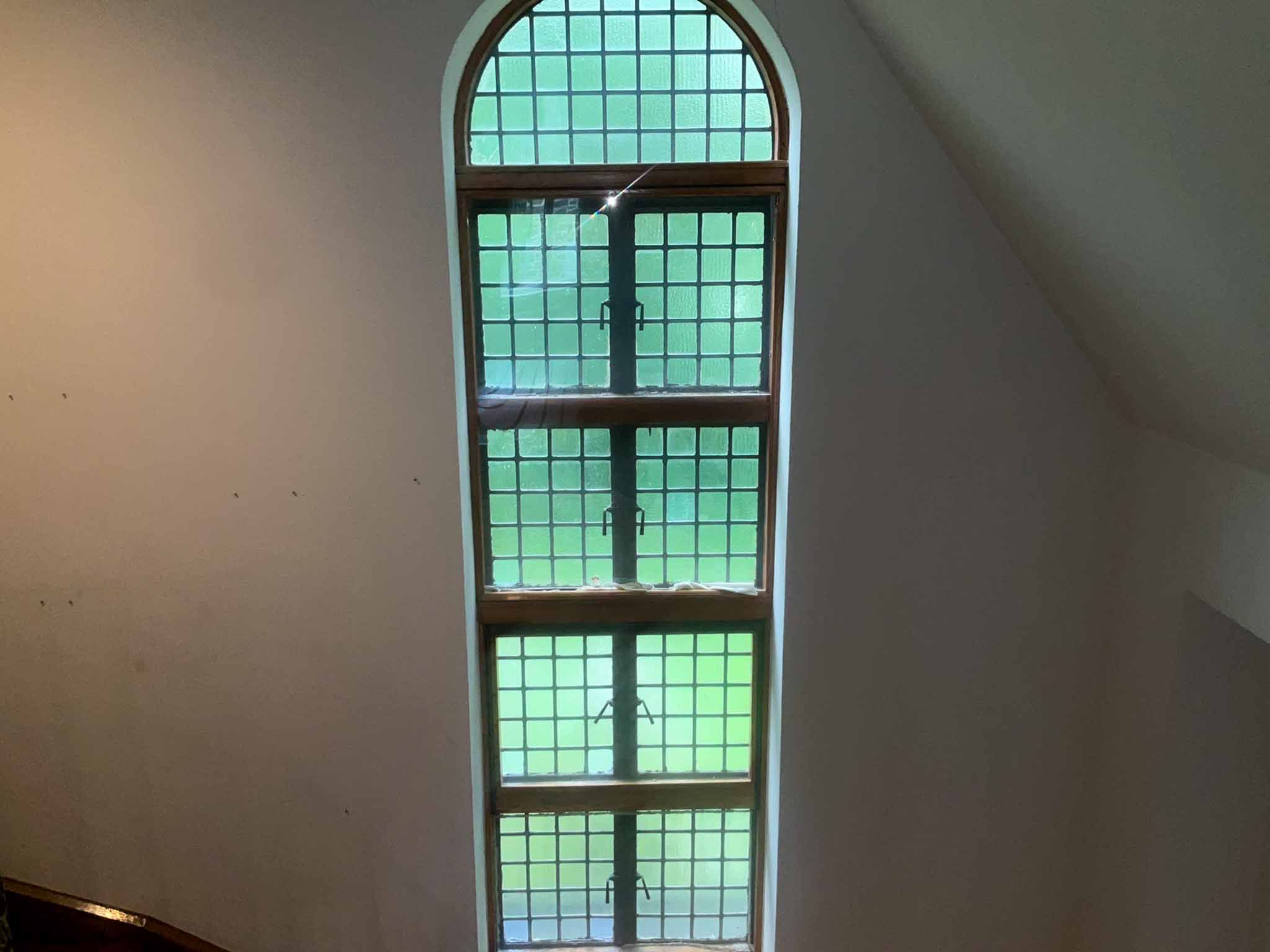
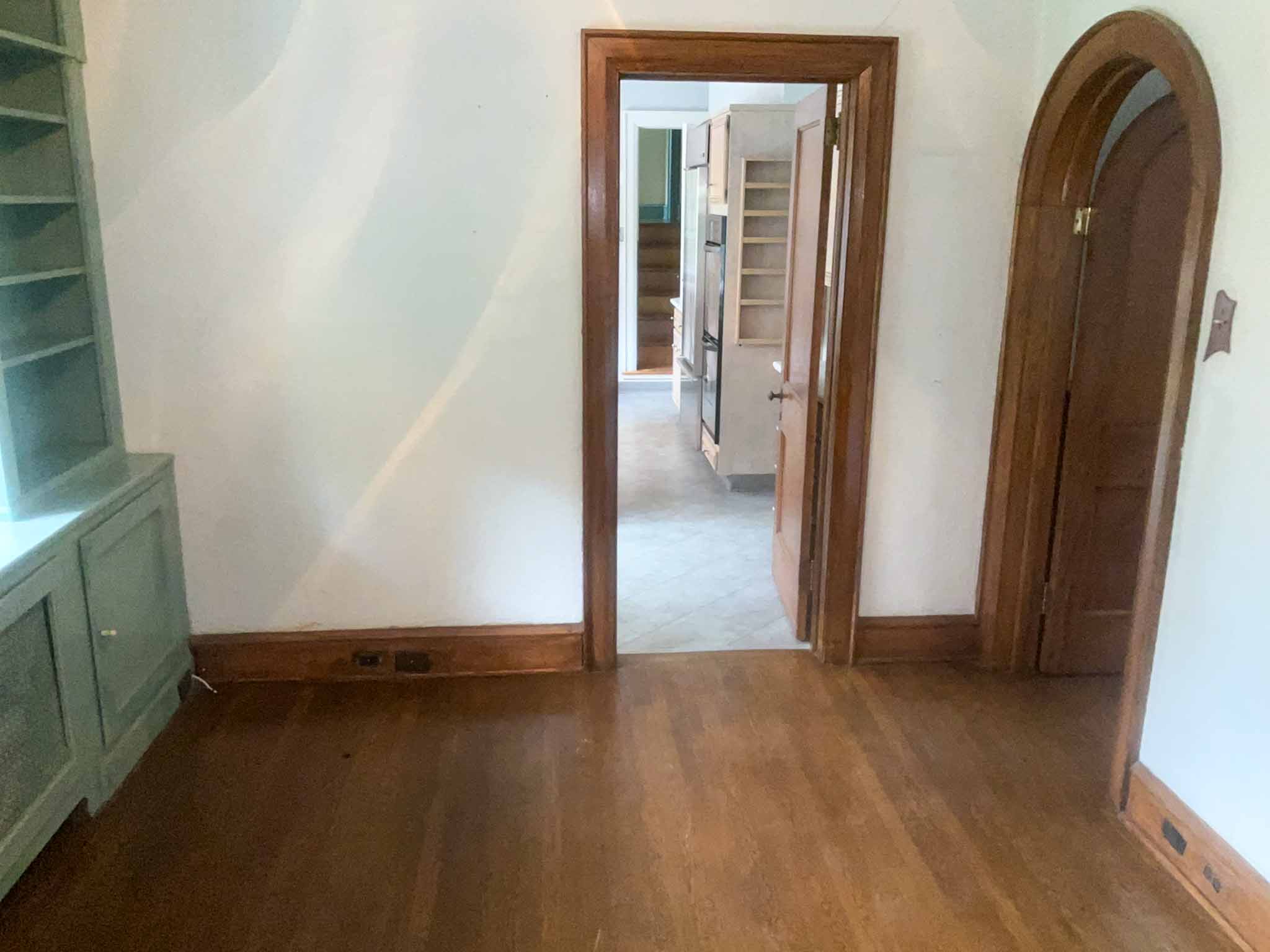
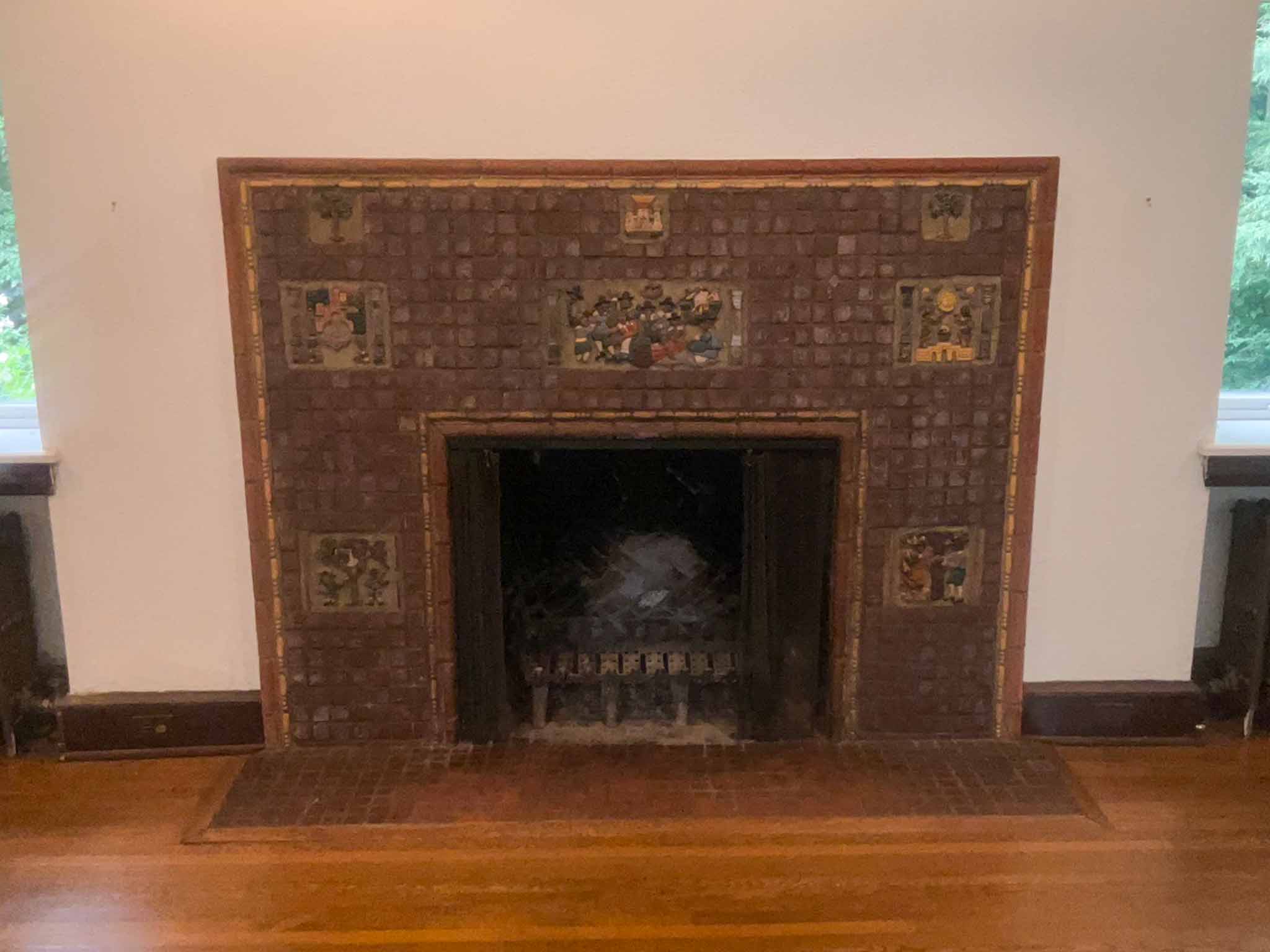
Inside, many Tudors carry Arts & Crafts DNA — exposed beams, generous stone fireplaces, oak floors, window seats, and handmade tile. These are homes designed to feel like they’d stood for centuries on the day they were finished.
3Why the Main Line Is Tudor Country
The Pennsylvania Railroad made the rolling countryside west of Philadelphia commutable, and the city’s financial and industrial elite followed — building homes meant to convey permanence and old-world status. The result is one of the best concentrations of Tudor Revival architecture in the country, spread across Lower Merion, Radnor, Haverford, Ardmore, Bryn Mawr, and Wynnewood, and spilling into Delaware County and Chester County.
The showpiece is Wynnewood’s English Village — a hidden pocket of 29 Tudor homes on winding lanes named Love’s Lane and Arthur’s Round Table, tucked off Montgomery Avenue near Lower Merion High School.
Developed in the 1920s and completed by 1928 by brothers Donald and S. Arthur Love, the village was modeled on Stratford-upon-Avon: local fieldstone, reclaimed timber, leaded-glass casements, rounded hardwood doors, tall chimneys, and Mercer tile inside. It was designated a historic district in 2010 and still feels like an English hamlet that wandered into Montgomery County.
At the other end of the scale sits Woodcrest in Radnor — a 51-room Elizabethan Tudor manor designed by Horace Trumbauer around 1901, later home to Campbell Soup president John Dorrance and now part of a university campus. Between these two extremes are thousands of Tudors of every size, from grand Haverford estates to Tudor-influenced twins and rowhomes in Philadelphia neighborhoods like Mt. Airy and West Philadelphia — and 1920s Tudor pockets scattered through Bucks County boroughs as well.
4Historic Home Inspection: What a Century-Old Tudor Tells a Home Inspector
Here’s the thing about Tudor Revival homes: the same features that make them special are the features that need the most informed eyes. These houses were built with premium materials — real slate, true masonry, three-coat stucco, copper and steel — that outlast modern equivalents but age on their own schedule.
In the Wynnewood Tudor we inspected this month, nearly every finding traced back to the home’s era and construction, not to neglect. That’s typical. A good historic home inspection separates “this is how a 1927 house works” from “this needs attention before closing.”
| Tudor Feature | Why It’s Special | What We Inspect |
|---|---|---|
| Slate roof | Can last 50–100+ years when maintained — far beyond asphalt | Cracked, slipped, or delaminating slates; flashing condition; drainage; repair history |
| Masonry chimneys | Oversized, decorative, often serving multiple fireplaces | Crown cracking, mortar joints, liner presence; Level 2 chimney evaluation is often advised on homes this age |
| Stucco & half-timbering | Traditional three-coat stucco over masonry — durable but unforgiving of gaps | Cracks, holes, and openings that invite moisture; wood-to-stucco transitions; hidden intrusion paths |
| Casement & leaded windows | Original steel or wood casements with diamond or leaded panes are irreplaceable character | Operation, rot at sills and frames, cracked glazing, weather sealing |
| Plaster walls & ceilings | True lath-and-plaster: solid, quiet, and beautifully flat | Cracking patterns, patch history, moisture-meter testing of stains to distinguish old events from active leaks |
| Original electrical | 1920s homes often carry layers of wiring history | Knob-and-tube evidence (active or abandoned), ungrounded receptacles, panel and grounding condition |
| Plumbing & heating | Boilers and radiators deliver even, comfortable heat | Steel supply piping and corrosion, boiler age and service history, water heater life expectancy |
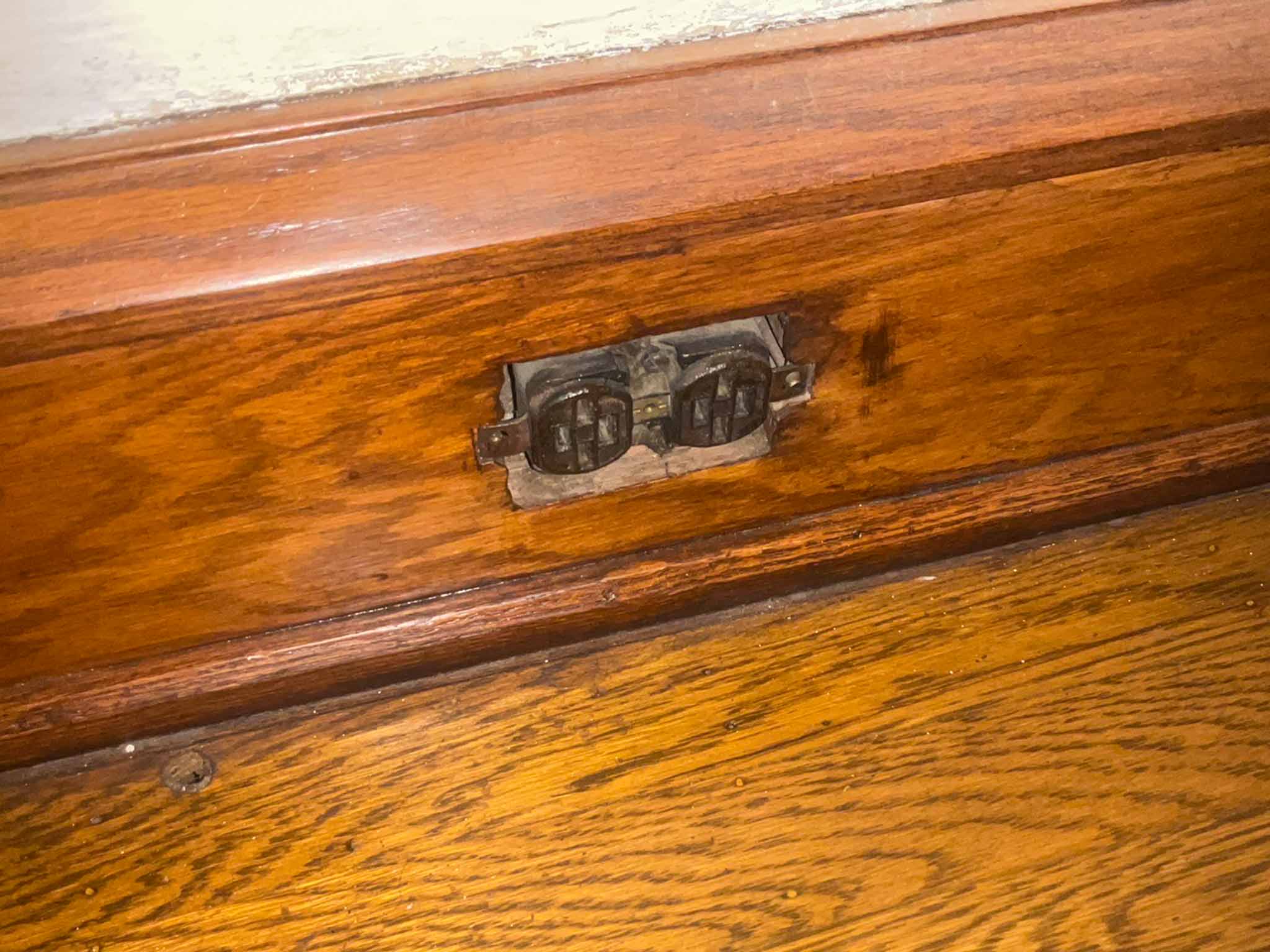
None of these are reasons to walk away from a Tudor. They’re the reason to walk in with a home inspector who has seen hundreds of homes from this era and knows what a 1920s slate roof, chimney crown, or basement junction box is supposed to look like at this point in its life.
Worth Knowing
A historic home isn’t a collection of problems — it’s a system that has been working for a hundred years. The goal of an inspection isn’t to grade a 1927 Tudor against a 2027 building code. It’s to document what’s original, what’s been updated, what’s aging on schedule, and what genuinely needs attention — so you can negotiate and plan with clear eyes instead of guesses.
5Buying a Tudor in Wynnewood? What Your Home Inspection Should Cover
A thorough home inspection of a Main Line Tudor covers the structure, roof, chimneys, exterior cladding, windows, electrical, plumbing, heating, and interiors — with special attention to the era-specific items in the table above.
ValueGuard’s inspection packages also include our MoistureGuard service, which uses moisture-meter testing to evaluate stains and patched areas in plaster walls and ceilings — exactly the kind of evidence a century-old home accumulates. We highly recommend it on historic homes like this one, so you know whether a stain is a long-dried memory or an active leak.
For homes with basements — which is to say, nearly every Tudor on the Main Line — we also recommend professional radon testing. Our 48-hour tests use RadaLink continuous monitors, and southeastern Pennsylvania’s geology makes radon testing a smart step for any home in the region, historic or new.
Whether you’re eyeing a stone Tudor in Wynnewood, a half-timbered twin in Ardmore, or a Tudor-influenced colonial in Montgomery, Bucks, Chester, Delaware, or Philadelphia counties, the principle of a thorough home inspection is the same: these homes reward buyers who understand them — and a home inspector who knows the era is how you get there.
Frequently Asked Questions
What is a Tudor Revival home?
Tudor Revival is an American architectural style, popular from the 1890s through the 1930s, that romanticizes medieval English building. Signature features include steep gabled roofs, decorative half-timbering, stone or stucco exteriors, leaded casement windows, and massive chimneys.
Why are there so many Tudor homes on the Main Line?
The Pennsylvania Railroad made the suburbs west of Philadelphia accessible to the city’s wealthy families in the late 1800s and early 1900s. Tudor Revival’s old-world, estate-like character matched both their taste and the rolling, wooded landscape, so it flourished here — especially in the 1920s.
What is the English Village in Wynnewood?
The English Village is a 1920s planned neighborhood of 29 Tudor Revival homes off Montgomery Avenue in Wynnewood, built by brothers Donald and S. Arthur Love and modeled on Stratford-upon-Avon. It was designated a historic district in 2010.
Are Tudor homes expensive to maintain?
Tudor materials — slate, masonry, stucco, plaster — are premium and long-lived, but repairs require specialized trades and cost more than modern equivalents. The trade-off is durability: a maintained slate roof can outlast several asphalt roofs. An inspection tells you where each system is in its life cycle.
How long does a slate roof last?
A professionally installed and maintained slate roof can last 50 to 100+ years, depending on the slate quality and upkeep. On century-old homes, some cracked or slipped slates are common; the key questions are the overall condition, the flashings, and the repair history.
Is knob-and-tube wiring a dealbreaker in a 1920s home?
Not necessarily. Many historic homes have been rewired, leaving only inactive knob-and-tube remnants. What matters is whether any of it remains energized and how the home’s electrical system has been updated overall — which is exactly what an inspection evaluates.
Why is a Level 2 chimney inspection often recommended for Tudor homes?
Tudor chimneys are large, old, and often unlined or lined with aging materials. A standard home inspection evaluates visible, accessible components; a Level 2 evaluation by a chimney professional uses a camera to examine the flue interior, which is prudent before using fireplaces in a home this age.
What is a historic home inspection?
A historic home inspection is a standard home inspection performed by a home inspector with experience in older construction methods and materials. It evaluates the same systems as any home inspection — structure, roof, exterior, electrical, plumbing, heating, and interiors — but with informed attention to era-specific items like slate roofing, masonry chimneys, three-coat stucco, plaster walls, and legacy wiring.
Who does home inspections in Wynnewood, PA?
ValueGuard Inspections provides home inspections in Wynnewood and throughout Lower Merion Township and the Main Line, including historic homes. Our home inspectors regularly inspect 1920s-era Tudors and other pre-war homes across Montgomery County. Call (215) 860-3150 to schedule.
Does ValueGuard inspect historic homes?
Yes. ValueGuard has performed home inspections on historic homes across Philadelphia, Montgomery, Bucks, Chester, and Delaware counties for years — from Main Line Tudors to Philadelphia rowhouses. Our inspection packages include the MoistureGuard moisture evaluation service, which we highly recommend for historic homes.

About ValueGuard Inspections
ValueGuard Inspections provides home inspections, radon testing, and moisture evaluations across Philadelphia, Montgomery, Bucks, Chester, and Delaware counties — including Wynnewood and the Main Line‘s historic neighborhoods. Rated 4.9★ by homebuyers — read our reviews on Google. Buying a century-old classic? Schedule your home inspection at valueguardinspections.com or call (215) 860-3150.
Enjoying our home inspection guides? Get ValueGuard articles in your Google results: