The Short Version
The seven costliest Philadelphia rowhouse inspection mistakes: skipping the sewer scope, misreading starbolts and bowing brick, ignoring the flat roof and parapet walls, overlooking shared party walls, assuming old means bad, skipping radon testing, and hiring a generalist instead of a Philadelphia specialist. Each one is avoidable — and avoiding them can save you five figures in your first year of ownership.
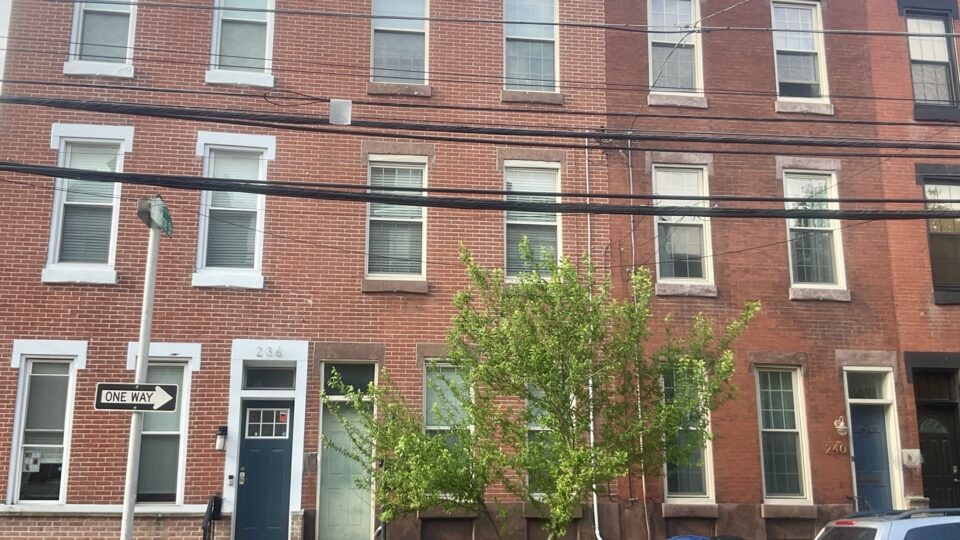
You walk through the front door of a South Philly rowhouse and fall in love. The original pine floors gleam, the exposed brick feels warm and lived-in, and the rooftop deck promises endless summer nights over a skyline view.
But beneath that charm sits a more complicated story: 100-year-old masonry, walls you share with two neighbors, and infrastructure that predates modern plumbing and electrical codes. Miss the warning signs, and that charming rowhouse can cost you tens of thousands of dollars in your first year of ownership.
At ValueGuard, we’ve spent more than 25 years inspecting the row homes, twins, and trinities that define Philadelphia and the surrounding counties. We’ve watched “perfect” homes hide five-figure secrets — almost always because the buyer made one of the same seven mistakes. Here’s how a thorough Philadelphia rowhouse inspection helps you avoid all seven — so you can buy with real confidence.
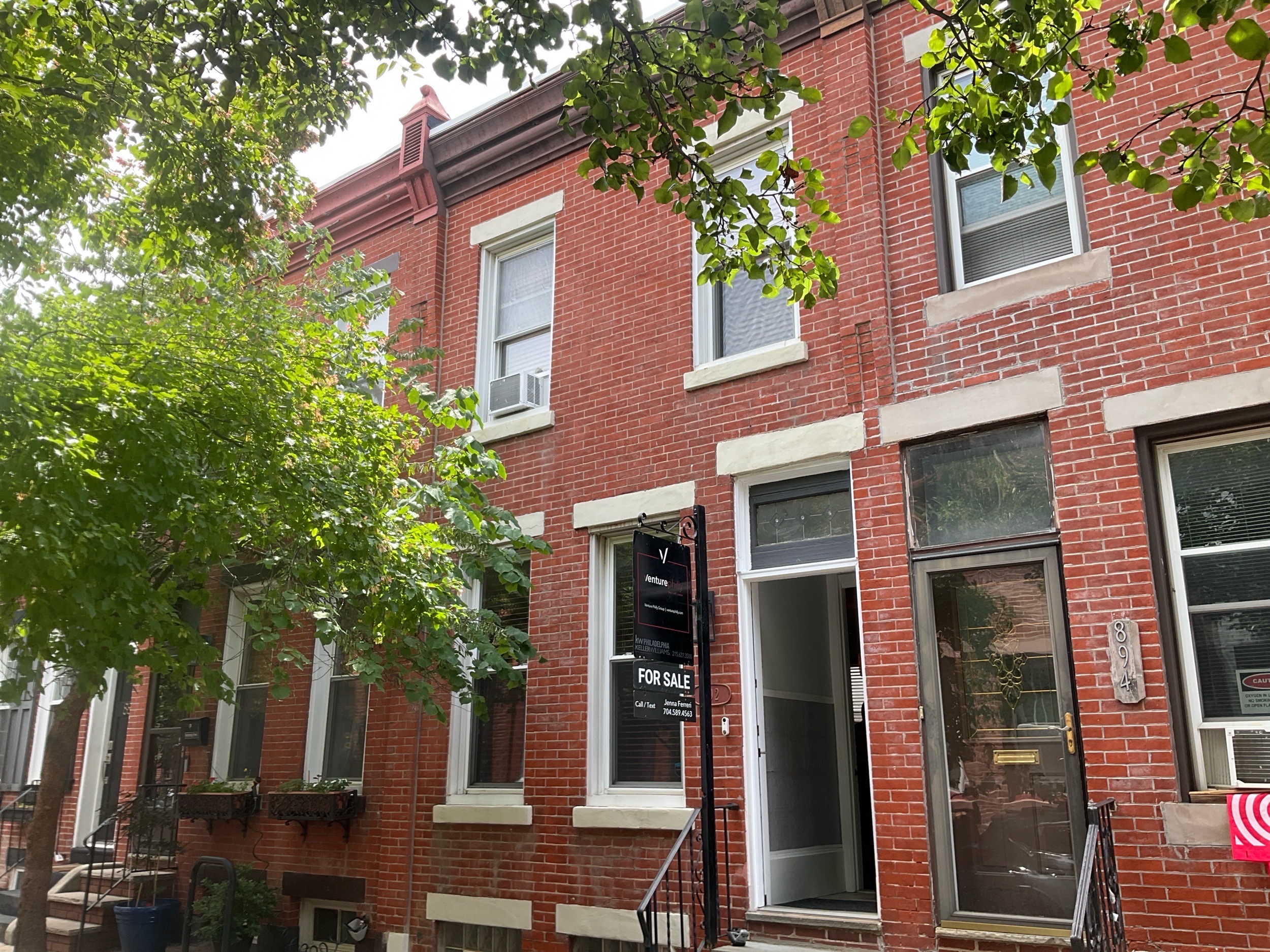
1Skipping the Sewer Scope: The $15,000 Risk Under the Sidewalk
In neighborhoods like Fishtown, Point Breeze, Bella Vista, and much of West Philadelphia, the sewer lateral is often original clay (“terra cotta”) or cast iron. That’s the pipe connecting your home to the city main under the street — and some date back to the early 1900s.
Over a century, these pipes settle, crack at the joints, and become a magnet for tree roots hunting for moisture. A standard home inspection evaluates the plumbing you can see inside the house, but it stops at the foundation wall. It does not look under your yard or the sidewalk.
If that lateral collapses three months after closing, you own the problem. That means the excavation, the new pipe, and the sidewalk and cartway restoration that Philadelphia requires. That bill routinely lands between $8,000 and $15,000, and it climbs fast when the break sits under the public right-of-way. We’ve covered why a sewer line inspection is critical for Philadelphia homebuyers in depth.
The Fix
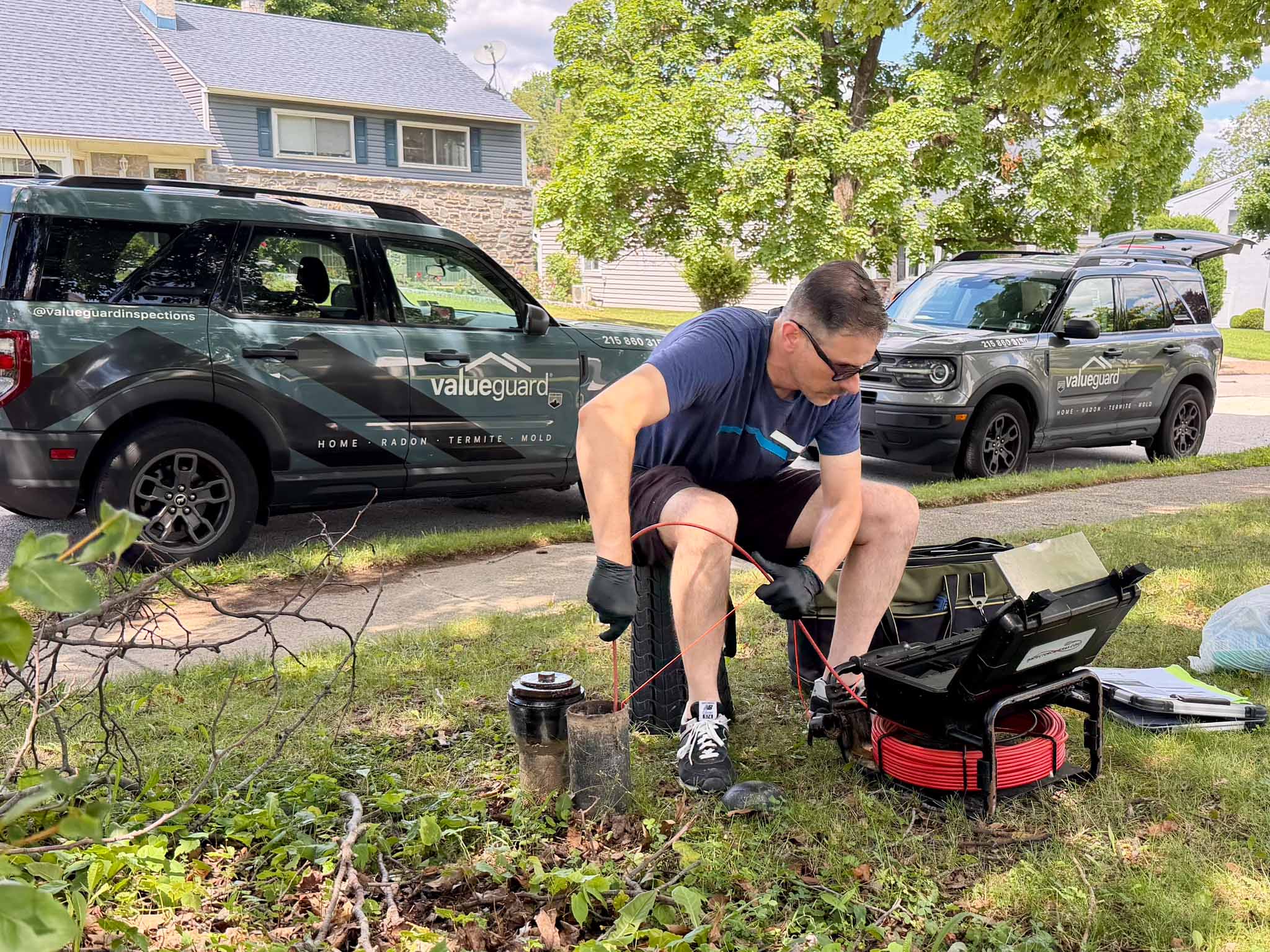
Never buy a rowhouse without a dedicated sewer scope inspection. We push a high-definition camera through the entire lateral to the main, so you know the true condition of the one system a visual inspection can never reach — before it becomes your emergency.
2Misreading “Starbolts” and Bowing Brick
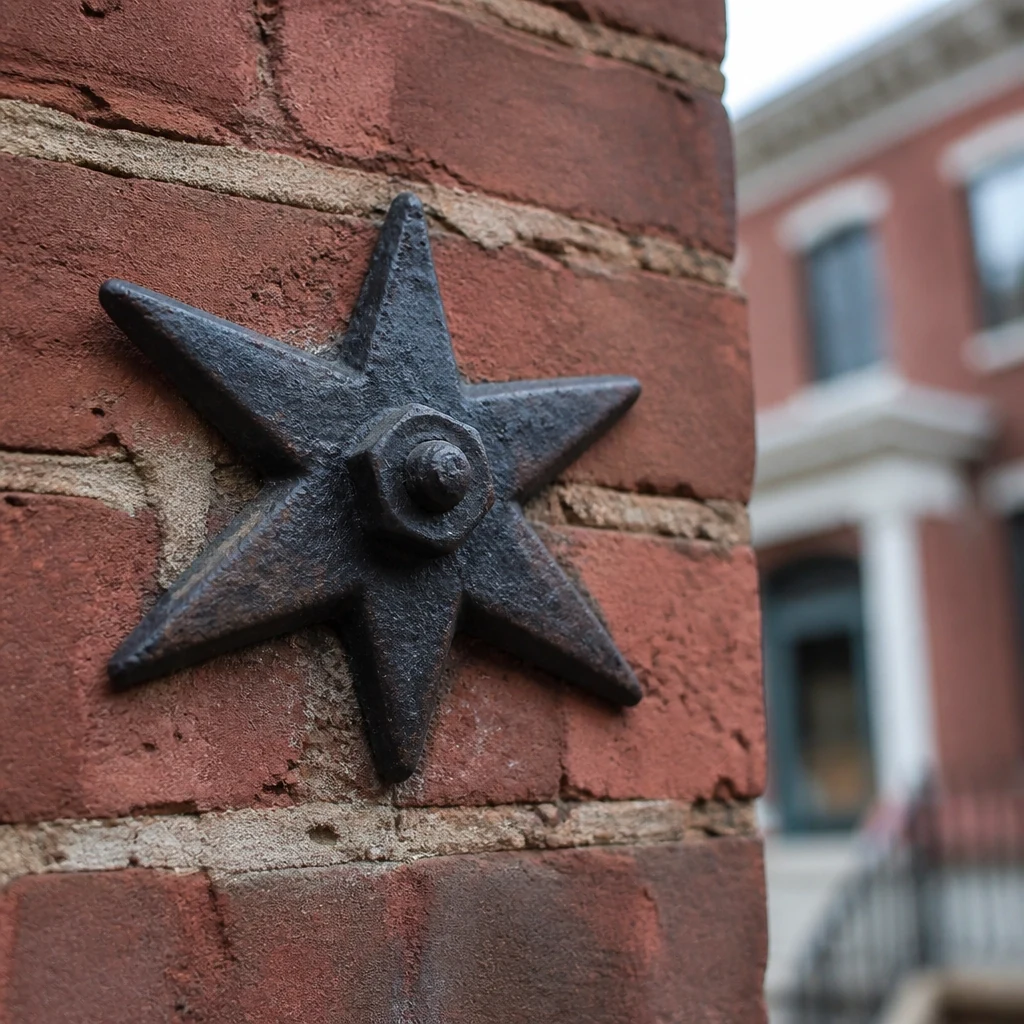
Notice those decorative metal stars, circles, and S-shapes bolted to the front of older Philly rowhouses? They aren’t purely ornamental.
In fact, those are the visible washer plates of tie-rods — locals call them “starbolts.” These steel anchors run through the house to hold a masonry wall that started to bow, lean, or pull away from the floor joists. Their presence isn’t automatically bad news. Often it means a previous owner did the responsible thing and stabilized a wall that was moving.
The mistake is assuming the problem is permanently “solved” without knowing why the wall moved or whether it’s still moving today. Bowing brick can also point to failed lintels, rusted-out steel, or water getting behind the facade and freezing — issues that need eyes on the interior, not just the street. For the full story on these iconic anchors, see our guide to starbolts and what they mean for your home inspection.
The Fix
If you see starbolts or bulging brickwork, ask the seller for the structural engineer’s report or the repair permit. A qualified inspector should also check the interior: the joist pockets, the anchor plates, and the floor lines. That confirms the tie-rods are doing their job — and that the masonry is stable, not simply masked with fresh pointing.
3Ignoring the Flat Roof and Parapet Walls
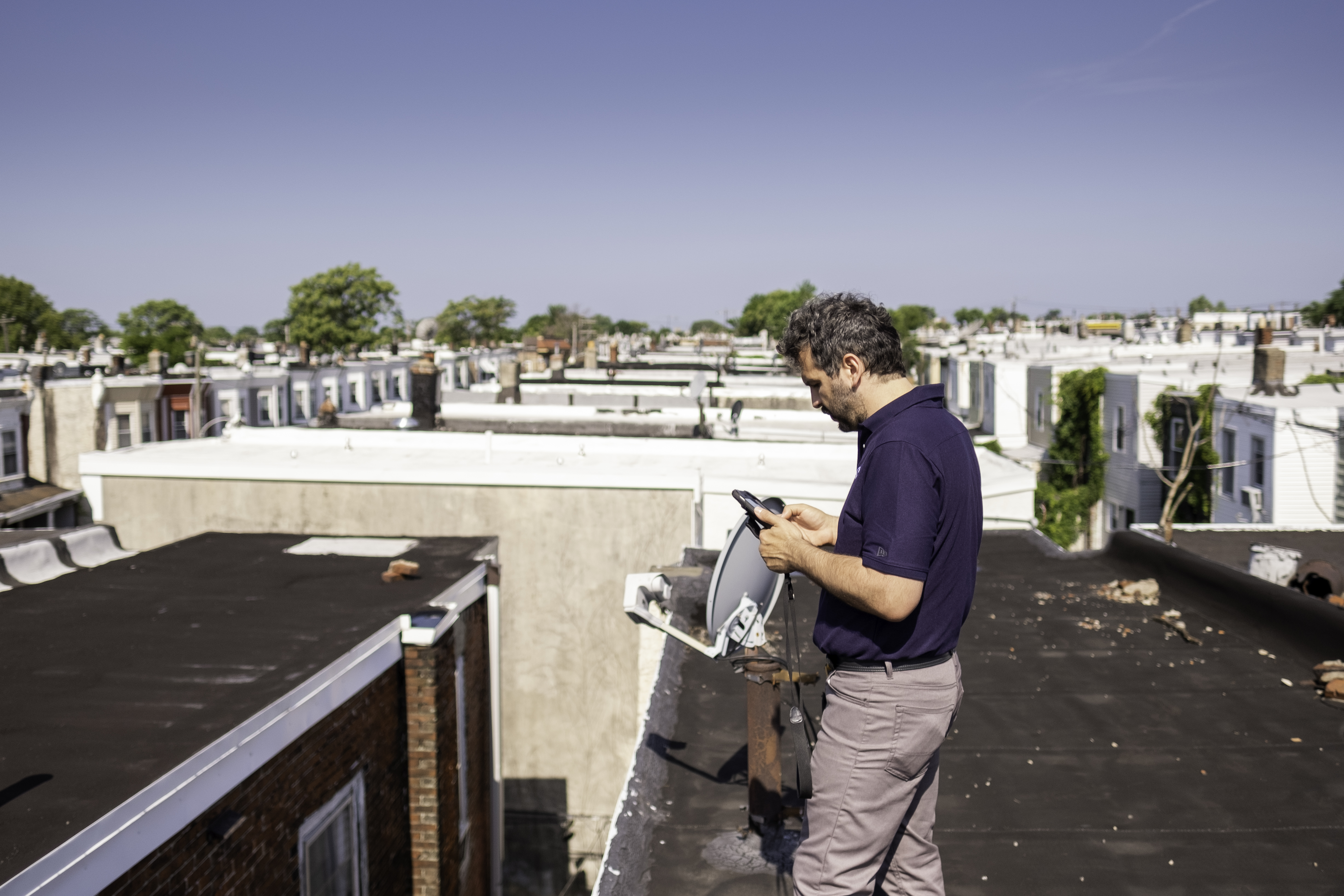
Most Philadelphia rowhouses have low-slope or flat roofs, typically finished with modified bitumen (“mod-bit”) or a single-ply rubber membrane like TPO or EPDM. Unlike a pitched shingle roof, where a leak announces itself, a flat roof can hold “ponding” water for days, quietly working its way into the deck and joists below.
But the most common failure point isn’t the field of the roof at all. Instead, it’s the parapet walls — the short brick walls that rise above the roofline between you and your neighbors. When the mortar caps and coping crack, water travels down inside the wall. It then shows up as stained plaster on your top floor — long before you ever see a drip. In a rowhouse, a neighbor’s neglected parapet can leak into your ceiling.
The Fix
Insist that your inspector physically gets on the roof — not just a glance from the deck. They should assess the age and condition of the membrane, the flashing, the drains, and the parapet mortar and coping. If you’re weighing an upgrade, our guide to modern TPO roofing options explains what a quality flat-roof system should look like.
4Overlooking the Shared Party Walls
A rowhouse is only as safe and quiet as the walls it shares. These party walls do far more than block your neighbor’s TV — they’re your primary fire separation. In older homes, gaps in the masonry, missing firestopping, or “bridging” in a common attic can let smoke and fire travel from one unit to the next.
There’s a structural side, too. Party walls carry load for both homes. For example, a neighbor might dig out their basement for headroom, underpin a foundation, or do structural work without proper support. When that happens, your shared wall can settle, crack, or bow — and you may be the one who discovers it.
The Fix
Ask your inspector to examine the party walls where they’re actually visible: the basement and the attic. They’re looking for daylight, active cracking, displaced brick, and any DIY modifications. Soundproofing is a comfort upgrade; intact fire separation is a safety requirement — know the condition of both.
5Assuming “Old” Automatically Means “Bad”
One of the costliest emotional mistakes is getting scared off by age alone. A rowhouse built in 1920 was framed with old-growth timber and laid up in solid, multi-wythe brick. In many cases, those materials are more durable than the engineered lumber and builder-grade finishes in new suburban construction.
“Old” doesn’t mean “failing.” It means the home has a history, and that history is readable. The goal of an inspection was never to find a flawless house — it’s to find a maintained one.
The Fix
Look for signs of stewardship over cosmetics. A dry basement, a modern service panel, updated supply lines, and a properly draining roof tell you far more than fresh paint ever will. Be especially skeptical of a quick “flip,” where new finishes can hide old problems — don’t let a staged kitchen distract you from the bones of the building.
6Skipping Radon Testing — Yes, Even in the City
There’s a stubborn myth that radon is only a suburban problem, something for houses with big yards and sump pumps. It’s a dangerous assumption.
Radon is a naturally occurring radioactive gas and the second-leading cause of lung cancer in the U.S. behind smoking. It seeps up through foundation cracks, floor drains, and sumps from the rocky Piedmont soil beneath our entire region. City rowhouses sit on that geology just like suburban colonials do. In fact, rowhouses often have smaller, tighter basements with less natural ventilation. As a result, the gas has fewer ways to escape and can build to elevated levels.
The Fix
Radon testing is inexpensive, non-invasive, and takes just a couple of days. We recommend adding a professional radon test to your package for any rowhouse purchase. If your result comes back at or above the EPA’s action level of 4.0 pCi/L, a mitigation system is a straightforward, one-time fix that delivers long-term peace of mind.
7Hiring a “Generalist” Instead of a Philadelphia Specialist
Philadelphia’s building stock is a specialty of its own. An inspector who spends most of the week on suburban ranches may miss a failing wood cornice or a spalling brownstone lintel. They may also miss the tricky drainage of a narrow Philly rear yard, where water has nowhere to go but toward your foundation.
Row-home ownership comes with “hidden stories” — shared systems, century-old materials, and repairs layered on by a dozen previous owners. You need an inspector who can tell a cosmetic settlement crack from a genuine structural red flag. Just as important, they should know what “normal” looks like for a 100-year-old brick home. And this isn’t just a city skill. Rowhouse and twin stock runs deep through Upper Darby in Delaware County, Norristown in Montgomery County, Bristol in Bucks County, and Phoenixville in Chester County.
The Fix
Choose a company with deep local roots and credentials to match. ValueGuard’s team — including experts like James Royer, elected President of the Keystone chapter of ASHI — brings decades of experience focused specifically on the Greater Philadelphia market.
Worth Knowing
Buying a home should feel like a celebration, not a gamble. A ValueGuard inspection isn’t a checklist — it’s a photo-rich, plain-English roadmap of your future home, delivered by the next business day, so you can negotiate fairly and sleep soundly.
Frequently Asked Questions
Do I really need a sewer scope for a Philadelphia rowhouse?
Yes. Many Philadelphia rowhouse sewer laterals are original clay or cast iron, over a century old, and prone to cracking and root intrusion. A standard home inspection stops at the foundation wall, so a dedicated camera scope is the only way to see the pipe’s true condition. A failed lateral typically costs $8,000–$15,000 to replace, including required sidewalk restoration.
What are the star bolts on Philadelphia rowhouses?
The metal stars, circles, and S-shapes on rowhouse facades are the washer plates of steel tie-rods. They were installed to stabilize a masonry wall that had bowed, leaned, or pulled away from the floor joists. They aren’t automatically a problem — they often mean the wall was properly repaired — but an inspector should confirm the wall is stable and no longer moving.
Why do flat rowhouse roofs leak at the parapet walls?
Parapet walls — the short brick walls above the roofline between neighboring homes — are exposed to weather on multiple faces. When their mortar caps and coping crack, water travels down inside the wall. It often appears as stained plaster on the top floor long before any visible drip. A roof inspection should always include the parapets, flashing, and drains, not just the membrane.
What is a party wall and why does it matter in a rowhouse?
A party wall is the shared masonry wall between attached homes. It serves as the primary fire separation between units and carries structural load for both houses. Gaps, missing firestopping, active cracking, or a neighbor’s unpermitted structural work can all affect your home. That’s why an inspector should examine the party walls in the basement and attic, where they’re visible.
Do city rowhouses need radon testing?
Yes. Radon rises from the region’s rocky Piedmont geology regardless of whether the home sits in the city or the suburbs, and rowhouse basements are often smaller and more tightly enclosed, which can concentrate the gas. The EPA recommends taking action at levels of 4.0 pCi/L or higher. Testing takes about 48 hours and is non-invasive.
Who inspects rowhouses in Philadelphia?
ValueGuard Inspections has performed home inspections on Philadelphia rowhouses, twins, and trinities for more than 25 years, with ASHI-certified inspectors who specialize in the region’s older masonry housing stock. Reports are photo-rich and delivered by the next business day. Call (215) 860-3150 to schedule.

About ValueGuard Inspections
ValueGuard Inspections provides home inspections, sewer scopes, radon testing, and moisture evaluations across Philadelphia, Montgomery, Bucks, Chester, and Delaware counties. Rated 4.9★ by homebuyers — read our reviews on Google. Ready for peace of mind? Schedule your Philadelphia rowhouse inspection at valueguardinspections.com or call (215) 860-3150.
Enjoying our home inspection guides? Get ValueGuard articles in your Google results: