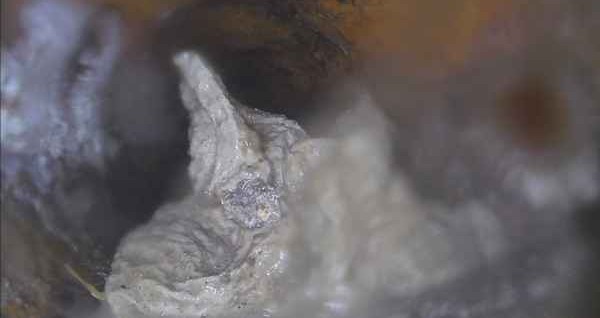
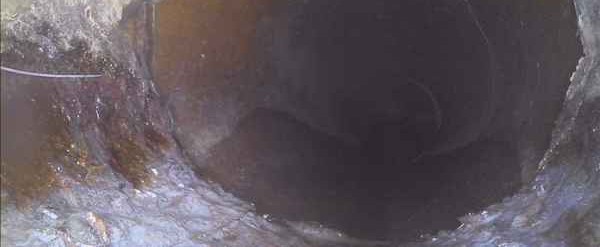
In Philadelphia, the pipe from your house to the city sewer belongs to you — the house drain, the house trap, the sidewalk vent and the lateral under the street. Most of it is original cast iron or terracotta that’s been in the ground for generations. A ValueGuard sewer scope puts a camera down that line and gives you recorded video and clear findings before you buy.
Since April 2025 our team has scoped 475 sewer lines across 44 Philadelphia ZIP codes. The photos on this page come straight from those reports.
Philadelphia sewer scope at a glance
✓From $329Standalone price — discounted when bundled with a home inspection
✓Recorded video you keepLinked in your report, delivered next day
✓Built for rowhomesBasement cleanout, house trap or sidewalk vent access
✓Inspection onlyWe don’t sell sewer repairs — no conflict of interest
A sewer scope inspection in Philadelphia is a video camera inspection of a home’s sewer lateral — the buried pipe that runs from the house trap, under the sidewalk and street, to the Philadelphia Water Department’s sewer main. Because Philadelphia property owners are responsible for that pipe, and a standard home inspection can’t see underground, buyers scope the line before closing to catch cracks, root intrusion, low spots (bellies) and corroded cast iron.
Cost
Starts at $329 standalone; discounted when bundled with a ValueGuard home inspection
What you get
Recorded camera video, pipe material, length scoped, entry point and plain-language findings — report typically next day
Most common Philly findings
Corroded cast iron, buildup and debris, cracked or damaged sections, roots in terracotta, standing water
Who owns the pipe
The property owner — house drain, curb/house trap, vent pipe and lateral to the public sewer (per the Philadelphia Water Department)
Service area
All of Philadelphia — Center City to the Far Northeast, plus the surrounding counties
✦ ✦ ✦
Philadelphia’s sewer system is one of the oldest in the country, and so are the private pipes that connect to it. A ValueGuard sewer scope is an inspection of that private line only: we feed a waterproof camera into an accessible cleanout or vent, record the run, and tell you what the pipe is made of and what we see inside it. Add it to your home inspection or book it on its own.
✦ ✦ ✦
i. Why Philadelphia is different
The pipe to the street is yours.
Buyers moving from newer suburbs are often surprised: in Philadelphia there’s no city crew that fixes the line in front of your house. Here’s what makes a sewer scope especially important in the city.
You own it to the mainThe Philadelphia Water Department places the main house drain, the curb (house) trap, the vent pipe and cover, and the lateral and slant to the public sewer on the property owner. If it breaks, the repair is yours — even the part under the street.
Rowhome plumbing is oldMost Philadelphia rowhomes still drain through original cast iron, often joined to terracotta (clay) pipe outside. In every one of the nine recent city reports we reviewed for this page, the line contained cast iron.
Notices of Defect happenWhen PWD finds a leaking or broken lateral it can issue a Notice of Defect that requires repair. Knowing the line’s condition before closing lets you negotiate now instead of paying later.
Renovated isn’t replacedFlips and rehabs often swap the visible basement piping for PVC while the original lateral stays in the ground. Several of our recent scopes found new pipe inside and old cast iron or terracotta outside.
How a Philadelphia rowhome connects to the city sewer
Simplified illustration based on the Philadelphia Water Department’s customer-responsibility diagram. Layout varies by property; some neighborhoods have separate sanitary and storm laterals.
✦ ✦ ✦
ii. What we’re finding in Philadelphia
Real findings from recent city scopes.
Every photo below is an actual camera frame from a ValueGuard sewer scope report on a Philadelphia home in fall 2026. Addresses are withheld for our clients’ privacy; the neighborhoods, pipe materials and recommendations are exactly as reported.
Repair item
Southwest Philadelphia · Nov 2026
Cracked section of pipe
1925 rowhome · ABS + cast iron · 58 ft scoped from basement cleanout
The owner was rehabbing the house and had us scope the line before new concrete went in. The camera found a damaged, cracked section — plus standing water farther down the run.
Our recommendation: Have a licensed plumber replace the damaged section before the floor is closed up.
Repair item
South Philadelphia · Nov 2026
Cracked terracotta lateral
Cast iron, PVC + terracotta · 30 ft scoped from the sidewalk vent
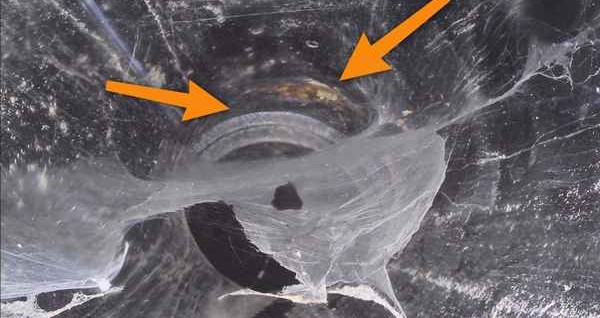
Three generations of pipe in one line. Moderate corrosion in the cast iron, then a cracked section where the run changes to terracotta clay pipe under the sidewalk.
Our recommendation: Replace the damaged section; a crack in clay pipe is an open door for roots and leaks.
Monitor
South Philadelphia · Nov 2026
Roots entering terracotta
Same line as above · terracotta section
Fine roots were working their way into the terracotta joints. Not a blockage yet, but root intrusion is the leading cause of sewer backups and it only grows.
Our recommendation: Monitor, and plan root clearing before it restricts flow — especially with street trees nearby.
Monitor
Southwest Philadelphia · Nov 2026
Standing water (a belly)
ABS + cast iron · basement cleanout entry
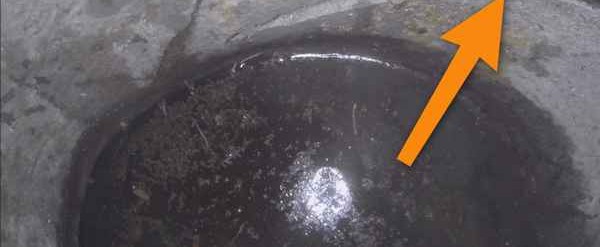
Water sitting in the pipe means a low spot or inadequate slope. Waste settles in a belly, which leads to buildup and slow drains over time.
Our recommendation: Monitor the low section; a plumber can confirm slope if drains back up.
Maintenance
Northeast Philadelphia · Nov 2026
Debris and buildup throughout
Cast iron + PVC · 50 ft scoped from basement cleanout
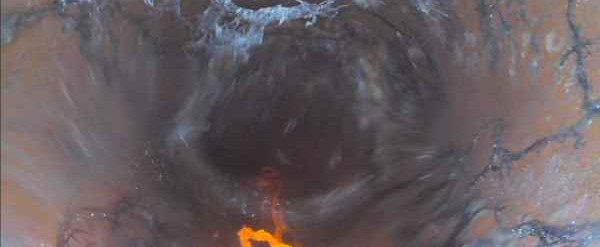
Heavy buildup lined the pipe walls and loose debris sat in several spots — the kind of restriction that turns into a clog after move-in.
Our recommendation: Have the line snaked or hydro-jetted. Our report estimated $500–$1,000.
Repair item
Frankford · Oct 2026
Damaged original pipe
Original cast iron + terracotta · basement cleanout entry
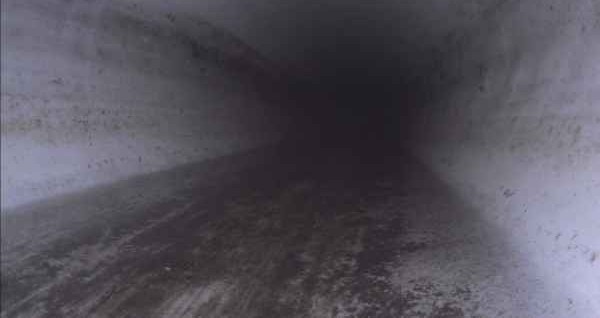
Just 8 feet in, the camera reached a damaged section of the original line. When the defect is this close to the house, it’s worth knowing before you finish a basement.
Our recommendation: Have a licensed plumber evaluate and replace the damaged section.
We pulled our own data so you don’t have to guess. The first two figures cover every ValueGuard sewer scope on a Philadelphia address from April 2025 to mid-November 2026; the rest come from a detailed review of nine recent reports from different neighborhoods.
475Philadelphia sewer scopesApr 2025–Nov 2026
44Philadelphia ZIP codesFrom 19103 to 19154
7 of 9had a recommendationRepair, cleaning or monitoring
9 of 9contained cast ironOften mixed with PVC or terracotta
3 of 9had a damaged sectionReplacement recommended
8–160 ftof line scopedDepends on access and layout
Source: ValueGuard Home Inspections inspection records in Spectora, Apr 2025–Nov 2026. The nine-report sample is illustrative, not a statistical survey; every line is different, which is exactly why it’s worth scoping.
✦ ✦ ✦
iv. Know your pipe
Philadelphia sewer pipe materials.
The pipe material tells you a lot about a line’s remaining life. Every ValueGuard report records what we observed.
Material
Where we see it in Philly
What to watch for
Cast iron
Nearly every rowhome — house drains, traps and many laterals
Interior corrosion and scale that narrow the pipe, cracks, and rust-through at the bottom of the pipe
Terracotta (clay)
Older laterals under sidewalks and streets in rowhome neighborhoods
Root intrusion at joints, cracks, offset joints and broken sections
Orangeburg
Some mid-century homes, more often in Northeast Philadelphia and the suburbs
Tar-paper pipe that deforms and blisters with age; often near the end of its life
PVC / ABS
Renovations, new construction and partial replacements
Generally durable; check transitions to older pipe and slope (bellies)
✦ ✦ ✦
v. How it works
How we scope a Philadelphia rowhome.
A standalone sewer scope starts at $329 and is discounted when bundled with a home inspection. Here’s what to expect.
1Book itSchedule online or call (215) 860-3150. Add the scope to your home inspection or book a standalone visit — ideal for owners planning a rehab, too.
2We find the best entryOur technician accesses the line through a basement cleanout, the house trap, an exterior cleanout or the sidewalk vent, then runs the camera toward the city main and records the footage.
3You get the video and findingsYour report lists pipe material, length scoped and each finding with photos and a clear recommendation, plus a link to the full video — typically the next day.
✦ ✦ ✦
vi. The ValueGuard difference
Inspector or plumber with a camera?
Plenty of plumbers will scope a line — and quote the repair on the spot. Here’s why an independent scope reads differently.
What matters
ValueGuard
Repair contractor
Sells the repair?
No — inspection only
Usually
Recorded video you keep
Yes, linked in your report
Varies
Written findings with photos
Every report, typically next day
Often a verbal estimate
Coordinated with your home inspection
Same visit, one booking
Separate appointment
Philadelphia experience
Scoping city lines every week; 94,000+ inspections since 1997
Varies
✦ ✦ ✦
vii. Across the city
Sewer scopes in every Philadelphia neighborhood.
From trinity houses in Queen Village to twins in the Far Northeast, we scope sewer lines across all of Philadelphia. Explore our Philadelphia home inspection pages by neighborhood:
Outside the city? We also scope lines in Bucks, Chester, Delaware, Montgomery, Berks and Lancaster Counties and New Castle County, DE — see our main sewer scope inspection page.
✦ ✦ ✦
viii. What clients say
From Philadelphia homeowners.
“★★★★★
We had Matt over for the sewer line inspection. My house is in Philadelphia. We have been impressed with the professionalism he offered. When in need, we are sure ValueGuard will be the name.
Ho Thuy Anh NguyenGoogle review
“★★★★★
As first time home buyers, we worked with Tyler for the inspection on the house we are buying, and he was excellent. … He was extremely knowledgeable and answered every question we had … We had a beautiful report with photos within less than 24 hours of the inspection.
Do I need a sewer scope when buying a home in Philadelphia?+
It isn’t required, but it’s strongly recommended. Philadelphia property owners are responsible for the sewer lateral all the way to the city main, much of the city’s housing stock still drains through original cast iron and terracotta pipe, and a standard home inspection can’t see underground. A scope before closing tells you what you’re buying while you can still negotiate.
Who is responsible for the sewer line in Philadelphia, the homeowner or the city?+
The homeowner. According to the Philadelphia Water Department, the property owner must maintain the main house drain, the curb (house) trap, the vent pipe and vent cover, and the sanitary and stormwater lateral and slant that connect to the public sewer. The Water Department maintains the sewer main itself.
How much does a sewer scope inspection cost in Philadelphia?+
A standalone ValueGuard sewer scope starts at $329, and it’s discounted when bundled with a home inspection. See our inspection pricing or request a free quote.
What problems do you find most often in Philadelphia sewer lines?+
In our recent Philadelphia reports the most common findings were corrosion in cast iron pipe, buildup and debris that restrict flow, cracked or damaged sections that need replacement, root intrusion at terracotta joints, and standing water from low spots (bellies). In a review of nine fall 2026 city reports, seven had at least one recommendation and three had a damaged section where replacement was recommended.
Where do you put the camera in a Philadelphia rowhome?+
Our technician chooses the best accessible entry point on site, most often a basement cleanout or the house trap cleanout. Many Philadelphia homes also have a sidewalk vent (the fresh-air inlet for the house trap), which can give a direct path toward the street. If no usable access point exists, we’ll explain your options.
What happens if the Water Department issues a Notice of Defect?+
A Notice of Defect from the Philadelphia Water Department means a water or sewer line on the property needs repair. Owners who receive one may qualify for PWD’s Homeowner’s Emergency Loan Program (HELP), a zero-interest loan for the repair. Scoping before you buy helps you avoid inheriting that problem in the first place.
The house was just renovated. Do I still need a sewer scope?+
Yes. Rehabs and flips often replace the visible basement plumbing with new PVC while the original cast iron or terracotta lateral stays in the ground. Several of our recent Philadelphia scopes found new pipe inside the house and older pipe outside, and one recently rehabbed rowhome had a cracked section we caught before new concrete was poured.
How fast will I get the sewer scope report?+
Typically the next day. Your report includes the pipe material, approximate length scoped, camera entry point, photos of each finding with a recommendation, and a link to the recorded video.
Does ValueGuard do sewer repairs?+
No. We inspect and report only, and we don’t sell repairs or excavation. That independence means the findings reflect the line’s actual condition. You’re free to get quotes from any licensed plumber.
ValueGuard Home Inspections100 E Penn Square Ste 400, Office 407, Philadelphia, PA 19107 · (215) 860-3150Mon–Fri 8:30am–5:00pm · Sat 9:00am–4:00pm · Sewer scope inspections throughout Philadelphia, PA